

Observing the VOICEVOX API
VOICEVOX is stated to be composed of an editor, an engine, and a core.
Reference: Overall Structure
It seems the editor is the application, the engine is an HTTP server, and the core is a module that performs speech synthesis processing.
This implies that the editor makes REST API calls (hereinafter referred to as API) to the engine.
So, this article will observe the content of that API.
Wireshark was used to capture the API traffic.
Communication on Startup
Here are the results after filtering with http and tcp.port == 50021.
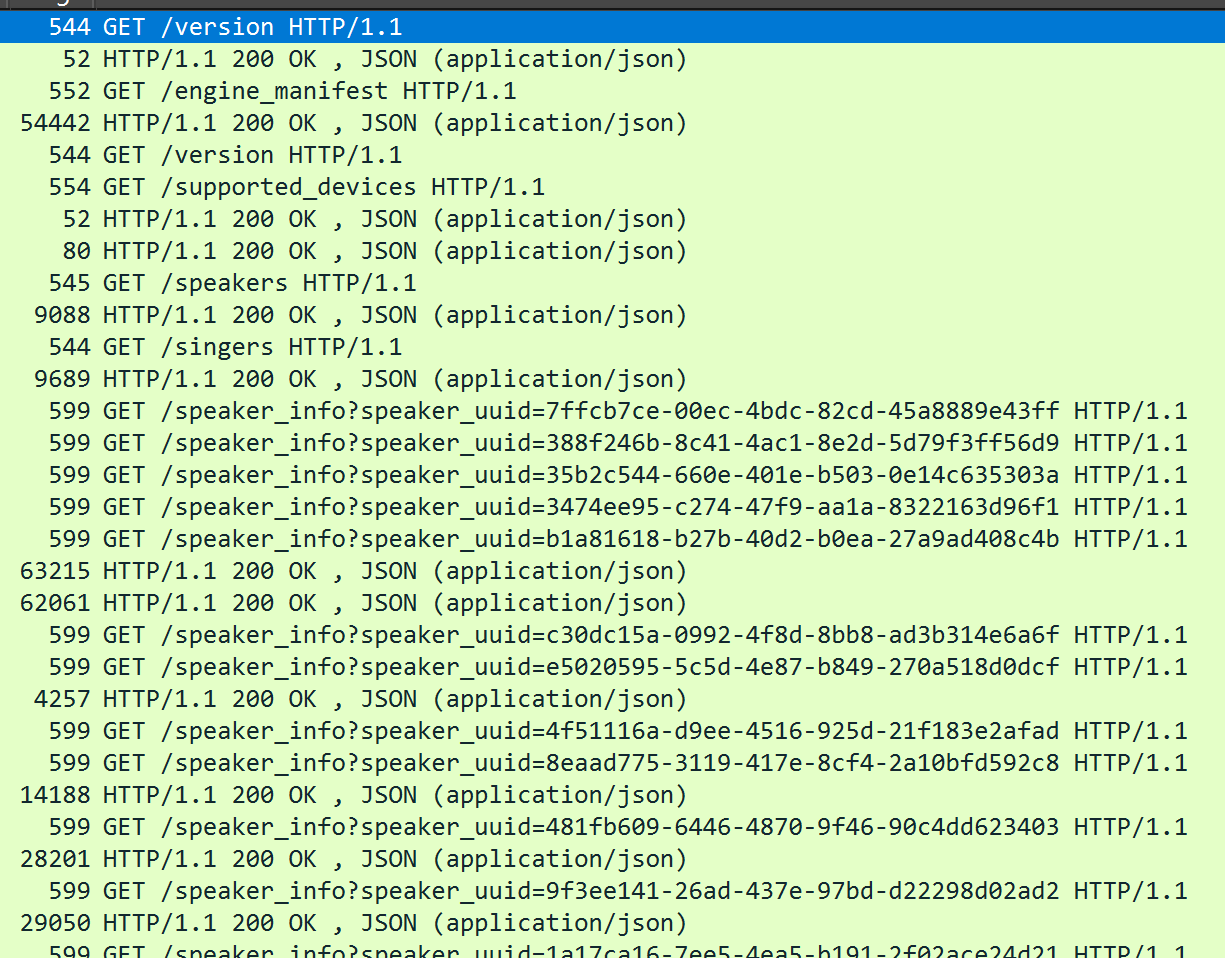
The following information appears to be read on startup:
- Version information
/version - Engine manifest information
/engine_manifest - Speaker information
/speakers(character list like Zundamon) - Singer information
/singers(same as above)
After obtaining speaker/singer information, more detailed information for each character is retrieved (e.g., /speaker_info?speaker_uuid=xxx, /singer_info?speaker_uuid=xxx).
Communication during Speech Synthesis Request
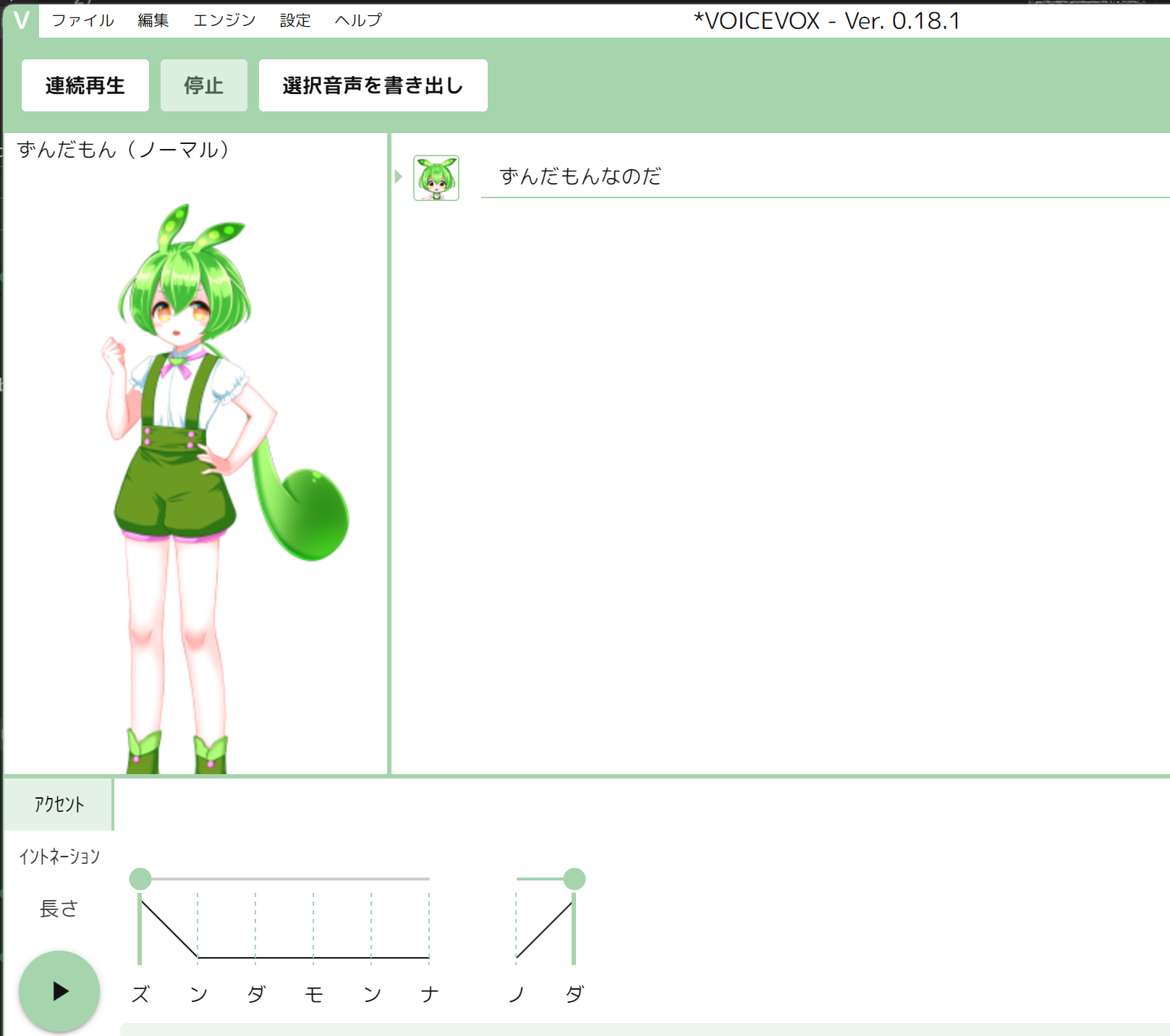
Now, I sent a speech synthesis request with Zundamon and peeked at the API.

It seems that audio is acquired in the following flow:
- Accent information via
/accent_phrases - Speech synthesis of Zundamon's voice via
/synthesis?speaker=3
The request body sent in (2.) is similar to the response from (1.).
Therefore, the flow appears to be: get accents in (1.), then synthesize speech from those accents in (2.).
Actually Calling the API
I used the httpie tool to call the API.
- Get Speaker Information
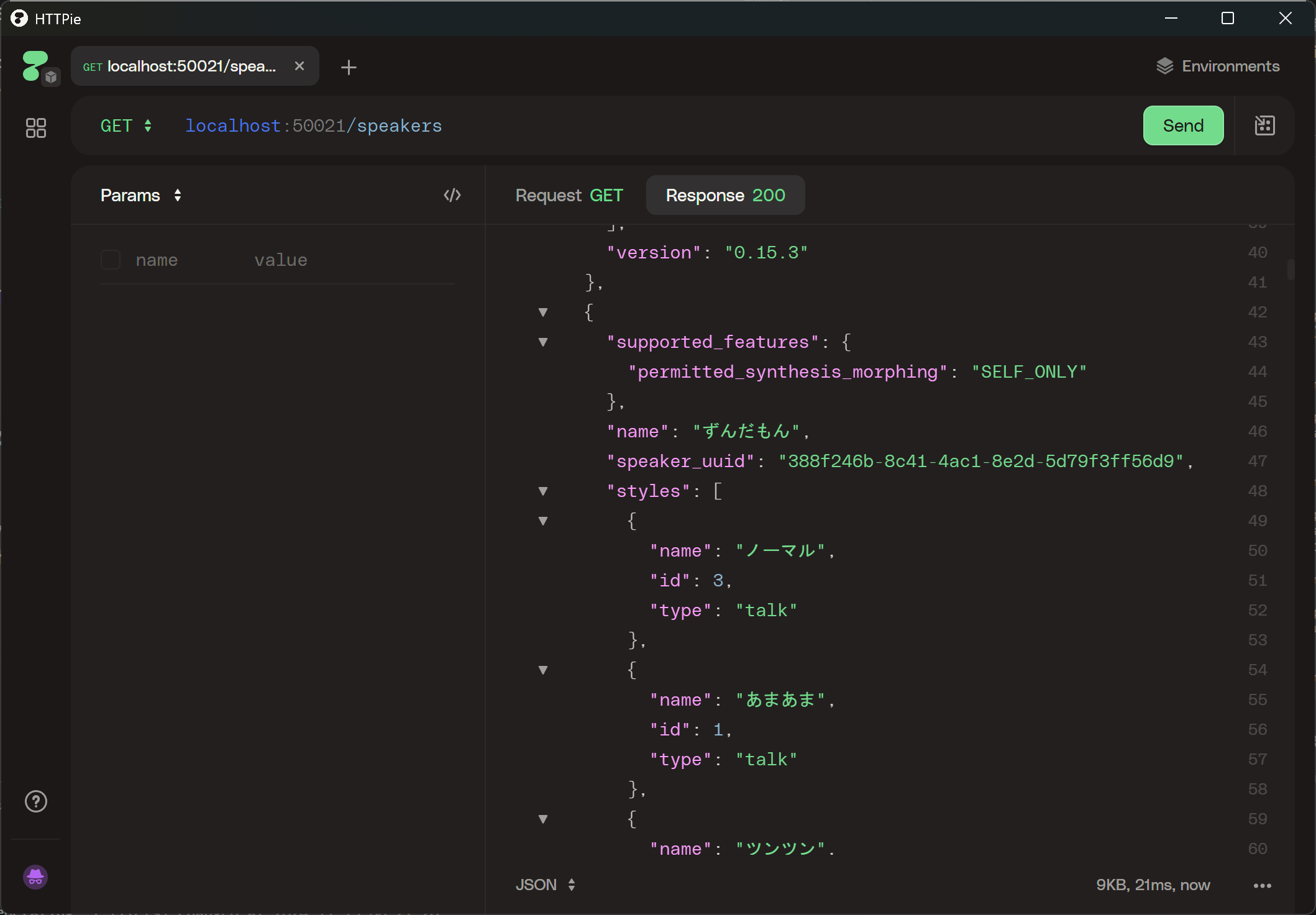
It was found that Zundamon (Normal) has an ID of 3.
- Get Accent Information
I tried to get accent information for ずんだもんなのだ (Zundamon nanoda).
(Unlike speaker information, this is retrieved with a POST request.)
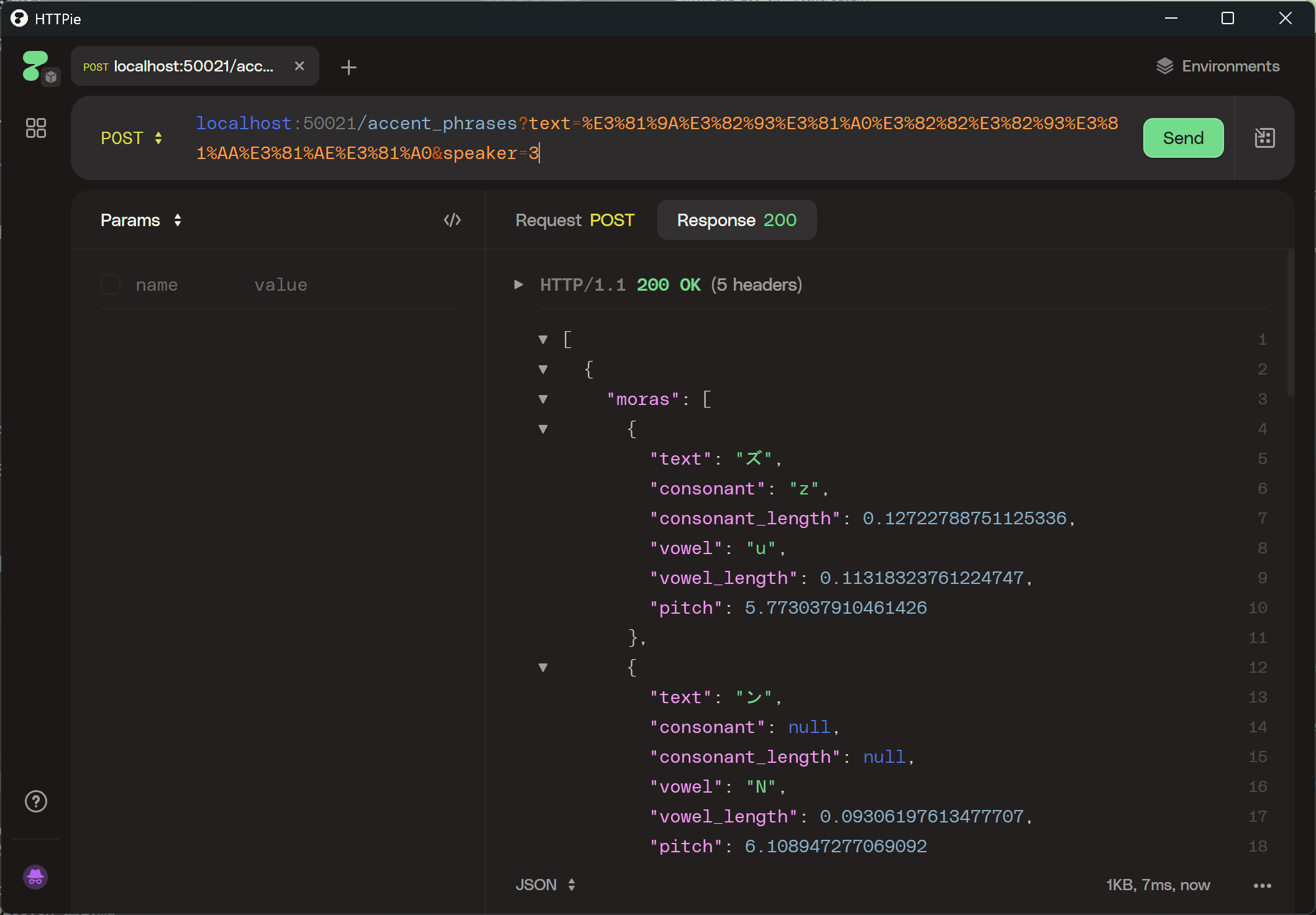
- Speech Synthesis
Create a request body like the following:
{
  "accent_phrases": </data obtained from /accent_phrases>,
  "speedScale": 1,
  "pitchScale": 0,
  "intonationScale": 1,
  "volumeScale": 1,
  "prePhonemeLength": 0.1,
  "postPhonemeLength": 0.1,
  "outputSamplingRate": 24000,
  "outputStereo": false,
  "kana": ""
}
Since httpie cannot handle WAV files, I will send the request using PowerShell.
# Define URL and JSON data
$url = 'http://localhost:50021/synthesis?speaker=3'
$jsonBody = @"
{
  "accent_phrases": [
    {
      "moras": [
        {
          "text": "ズ",
          "consonant": "z",
          "consonant_length": 0.12722788751125336,
          "vowel": "u",
          "vowel_length": 0.11318323761224747,
          "pitch": 5.773037910461426
        },
        {
          "text": "ン",
          "consonant": null,
          "consonant_length": null,
          "vowel": "N",
          "vowel_length": 0.09306197613477707,
          "pitch": 6.108947277069092
        },
        {
          "text": "ダ",
          "consonant": "d",
          "consonant_length": 0.04249810427427292,
          "vowel": "a",
          "vowel_length": 0.09372275322675705,
          "pitch": 6.09743070602417
        },
        {
          "text": "モ",
          "consonant": "m",
          "consonant_length": 0.07012023776769638,
          "vowel": "o",
          "vowel_length": 0.1172478124499321,
          "pitch": 5.932623386383057
        },
        {
          "text": "ン",
          "consonant": null,
          "consonant_length": null,
          "vowel": "N",
          "vowel_length": 0.06496299058198929,
          "pitch": 5.745952129364014
        },
        {
          "text": "ナ",
          "consonant": "n",
          "consonant_length": 0.038462959229946136,
          "vowel": "a",
          "vowel_length": 0.08576127141714096,
          "pitch": 5.5794854164123535
        }
      ],
      "accent": 1,
      "pause_mora": null,
      "is_interrogative": false
    },
    {
      "moras": [
        {
          "text": "ノ",
          "consonant": "n",
          "consonant_length": 0.05504273623228073,
          "vowel": "o",
          "vowel_length": 0.0903041884303093,
          "pitch": 5.551316261291504
        },
        {
          "text": "ダ",
          "consonant": "d",
          "consonant_length": 0.05024997144937515,
          "vowel": "a",
          "vowel_length": 0.20450790226459503,
          "pitch": 5.633930206298828
        }
      ],
      "accent": 2,
      "pause_mora": null,
      "is_interrogative": false
    }
  ],
  "speedScale": 1,
  "pitchScale": 0,
  "intonationScale": 1,
  "volumeScale": 1,
  "prePhonemeLength": 0.1,
  "postPhonemeLength": 0.1,
  "outputSamplingRate": 24000,
  "outputStereo": false,
  "kana": ""
}
"@

# Create HTTP headers
$headers = @{
    'Content-Type' = 'application/json'
}

# Send POST request and get response
$response = Invoke-WebRequest -Uri $url -Method Post -Headers $headers -Body $jsonBody -OutFile "output.wav"

# Open and play
start output.wav
VOICEVOX: Zundamon
That's all!
How to enable scrolling for fluent-listbox (@fluentui/web-components)
A simple solution to the problem of converting 0.248 (16) to a decimal fraction (Fundamental Information Technology Engineer Examination)
Points
Hexadecimal problems use binary.
Steps
-
Convert the hexadecimal number to binary. 0.248(16) = 0.0010 0100 1000(2)
-
Remove the decimal point. 0.0010 0100 1000(2) = 0.0010 0100 1000(2) × 0010 0000 0000(2) / 0010 0000 0000(2) = 0100 1001(2) / 0010 0000 0000(2)
-
Convert the binary number to decimal. 0100 1001(2) / 0010 0000 0000(2) = (64 + 8 + 1) / 512 = 73 / 512
Common Matplotlib (Pyplot) Code Examples
I'll introduce commonly used code examples with graphs.
Table of Contents
- Creating Graphs
- Plotting Graphs
- Setting Titles
- Setting Axis Labels
- Setting Graph Top and Bottom
- Setting Graph Left and Right
- Displaying Grid
- Setting Ticks
- Removing Ticks
- Setting Tick Colors
- Adjusting Graph Spacing
- Saving Images
Creating Graphs
First, import the required libraries.
import matplotlib.pyplot as plt
import numpy as np
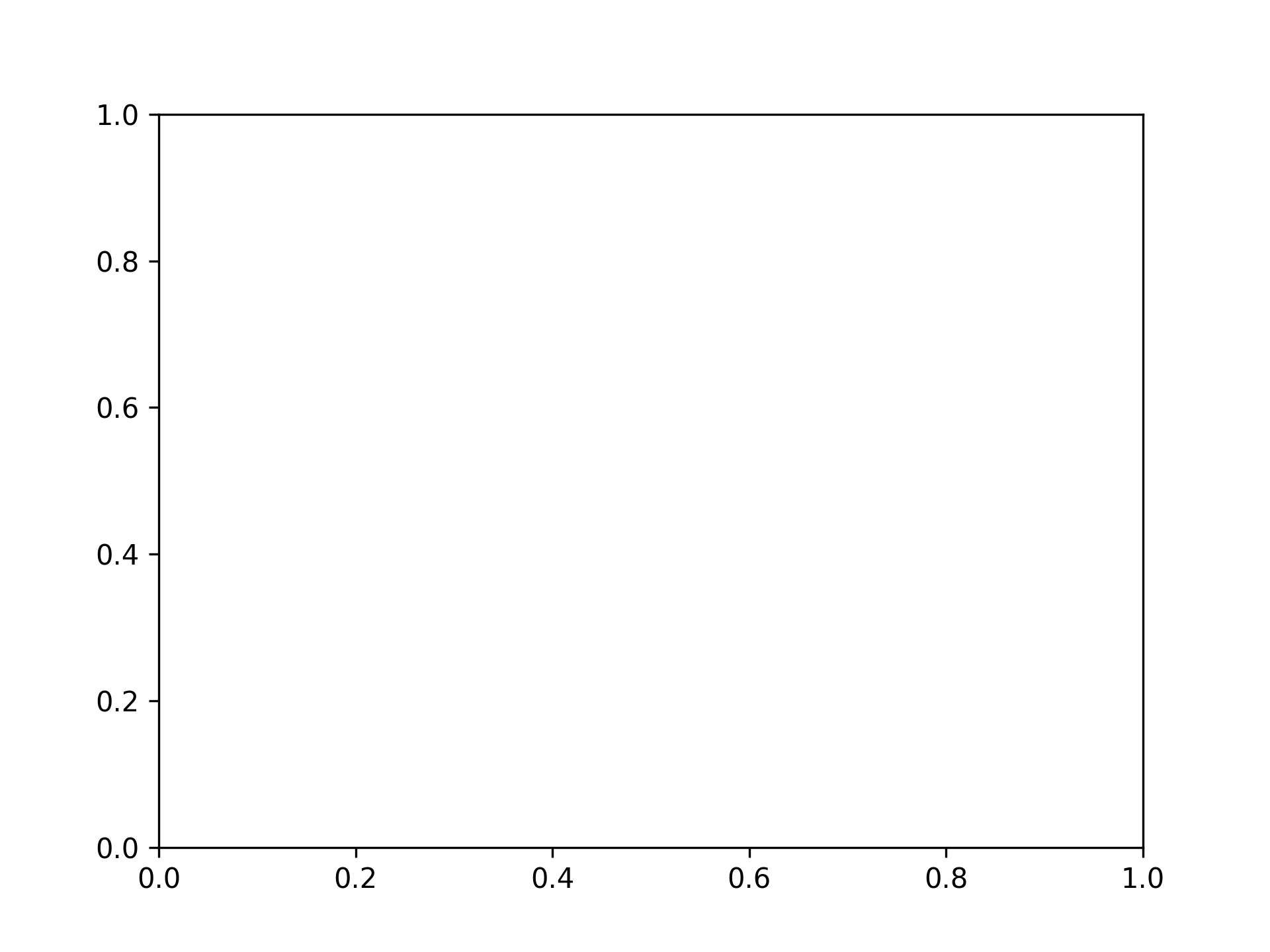
Single Graph
fig, ax = plt.subplots()
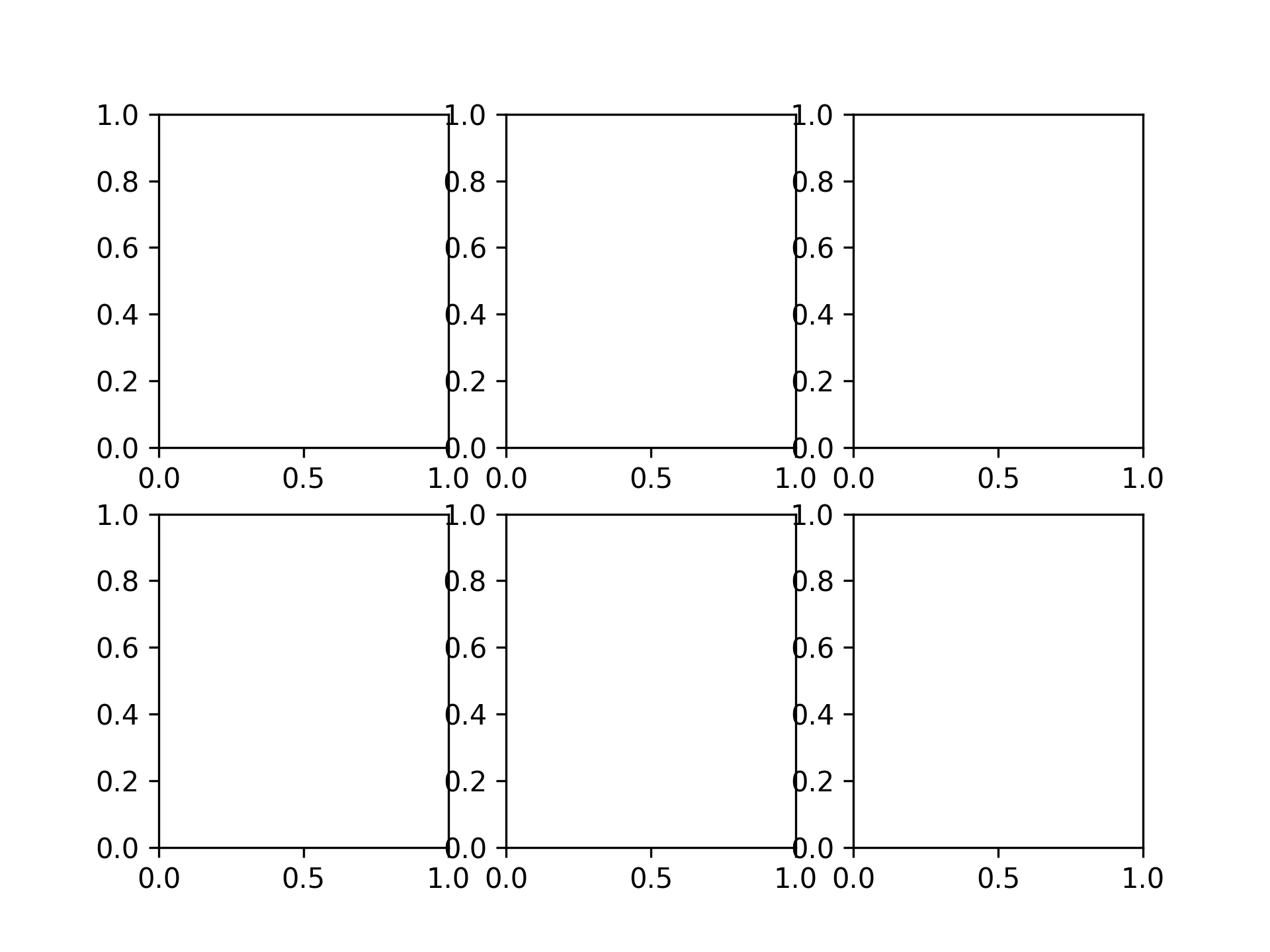
2 x 3 Graphs
fig, axs = plt.subplots(2, 3)
Plotting Graphs
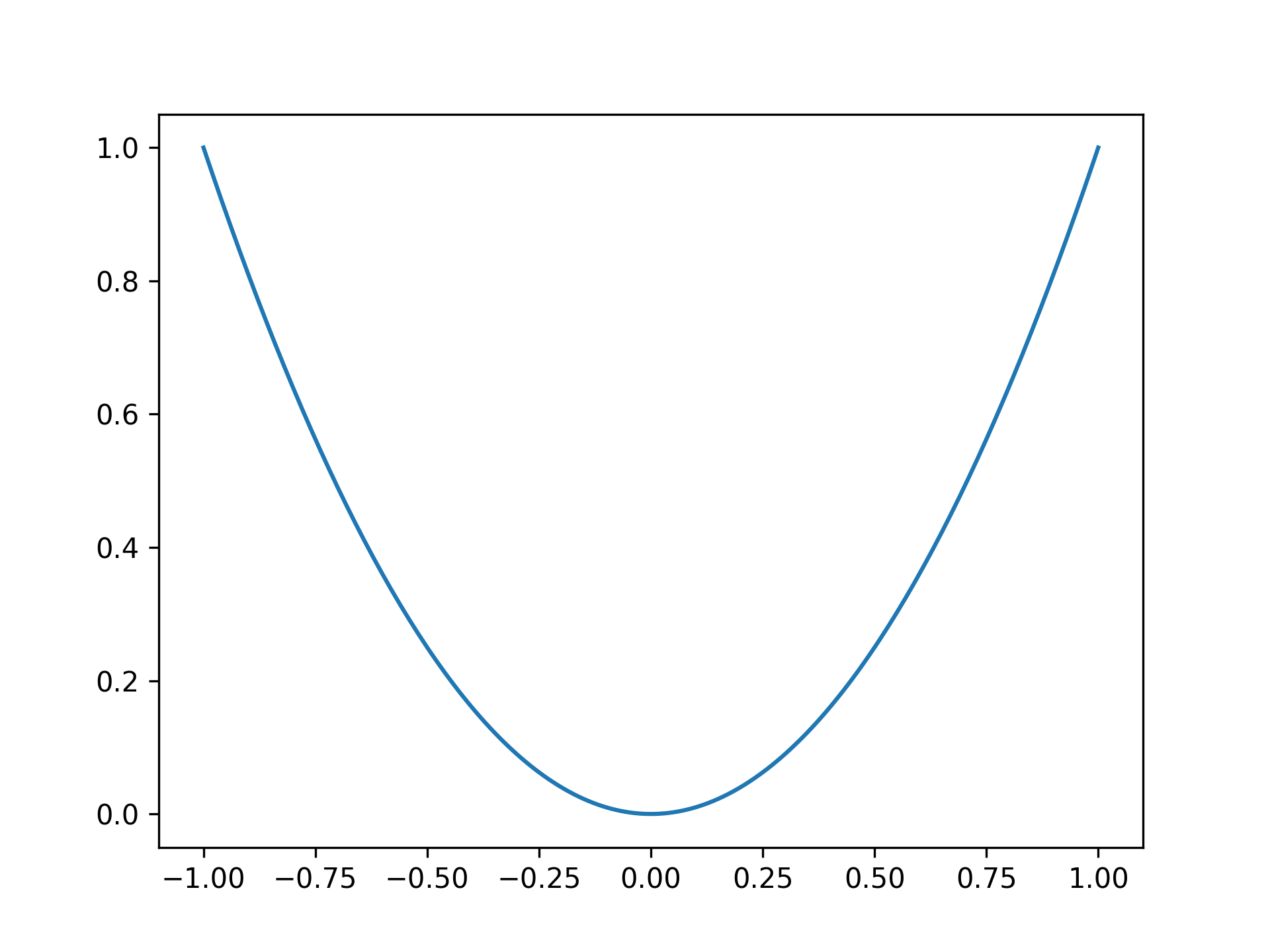
Plotting a parabola
x = np.linspace(-1, 1, 201)
y = x ** 2

fig, ax = plt.subplots()
ax.plot(x, y)
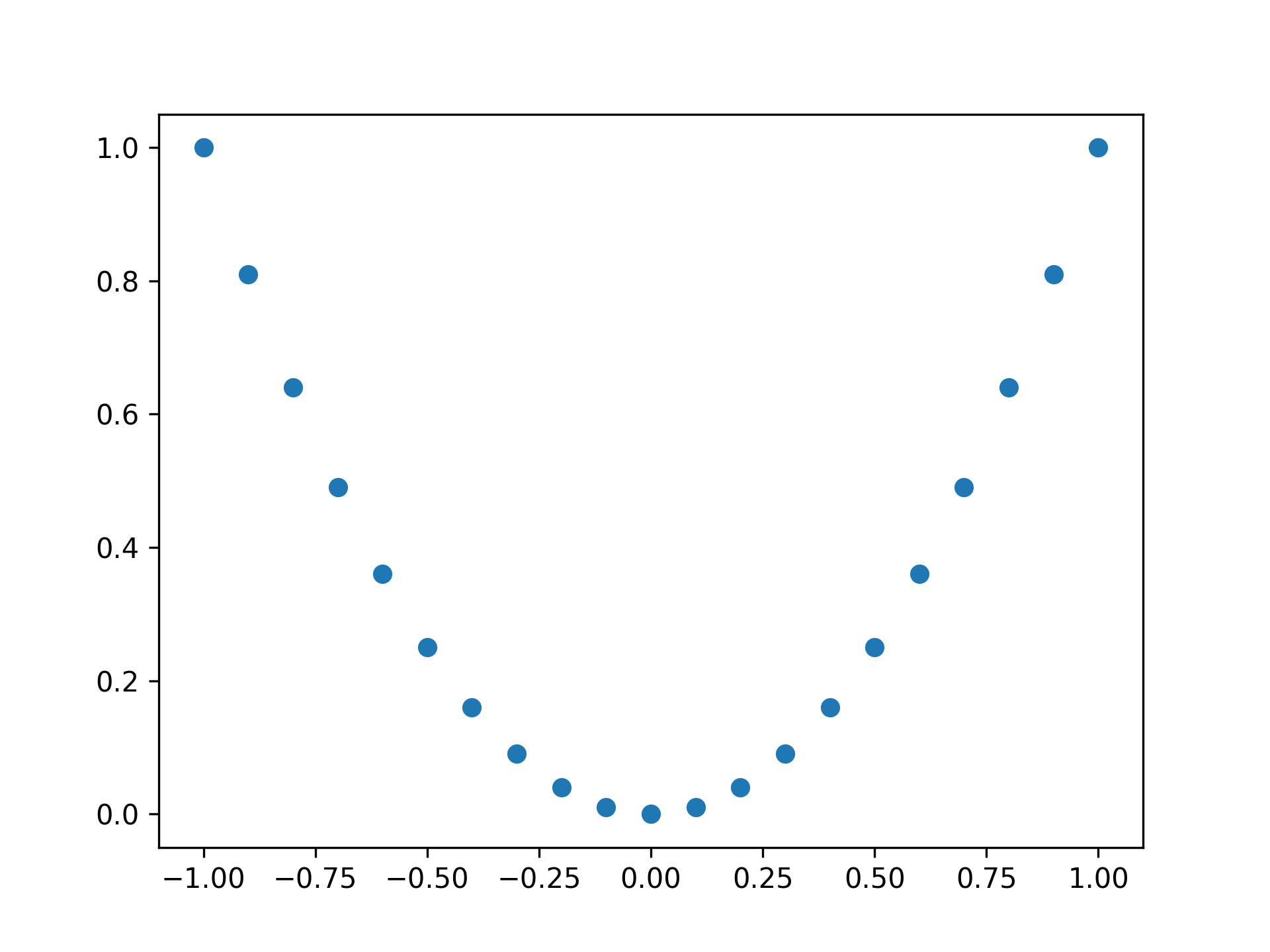
Plotting a parabola with points
fig, ax = plt.subplots()

x = np.linspace(-1, 1, 21)
y = x ** 2

ax.plot(x, y, 'o')
Setting color to orange
fig, ax = plt.subplots()

x = np.linspace(-1, 1, 21)
y = x ** 2

ax.plot(x, y, color="tab:orange")
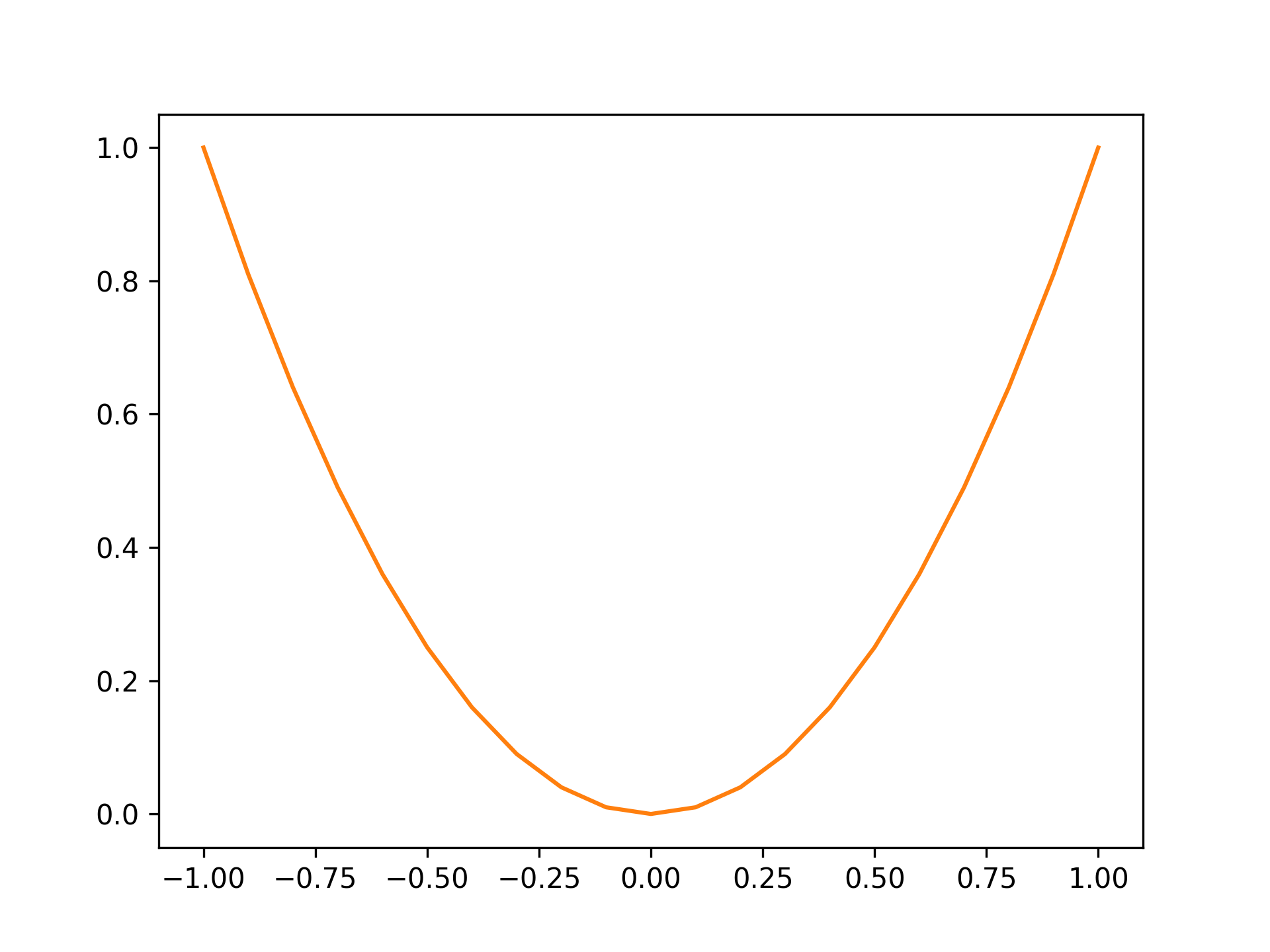
Standard colors are as follows:
| Color | String |
|---|---|
| Blue | tab:blue |
| Orange | tab:orange |
| Green | tab:green |
| Red | tab:red |
| Purple | tab:purple |
| Brown | tab:brown |
| Pink | tab:pink |
| Gray | tab:gray |
| Olive | tab:olive |
| Cyan | tab:cyan |
Setting line width to 4
fig, ax = plt.subplots()

x = np.linspace(-1, 1, 21)
y = x ** 2

ax.plot(x, y, lw=4)
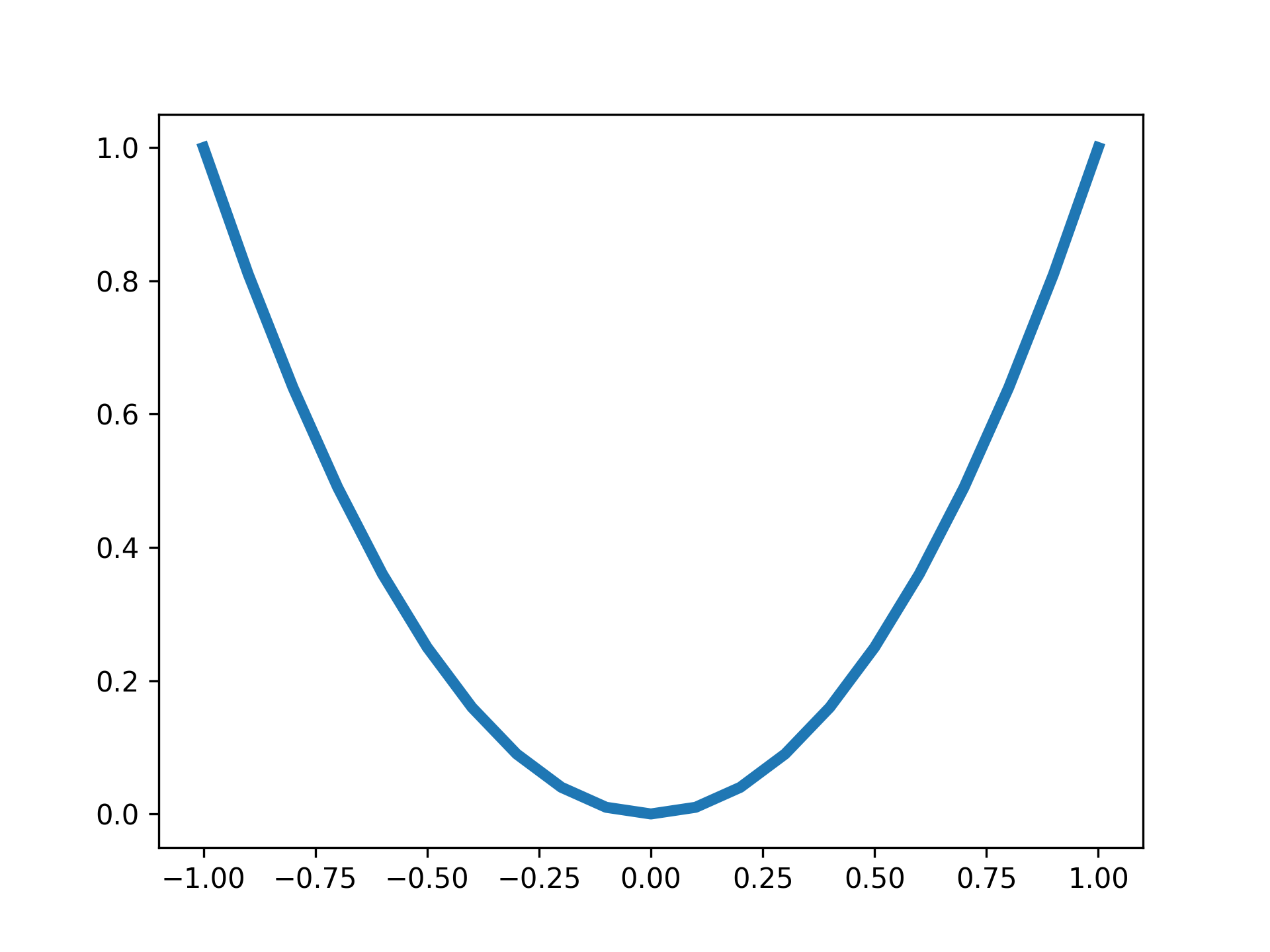
Setting Titles
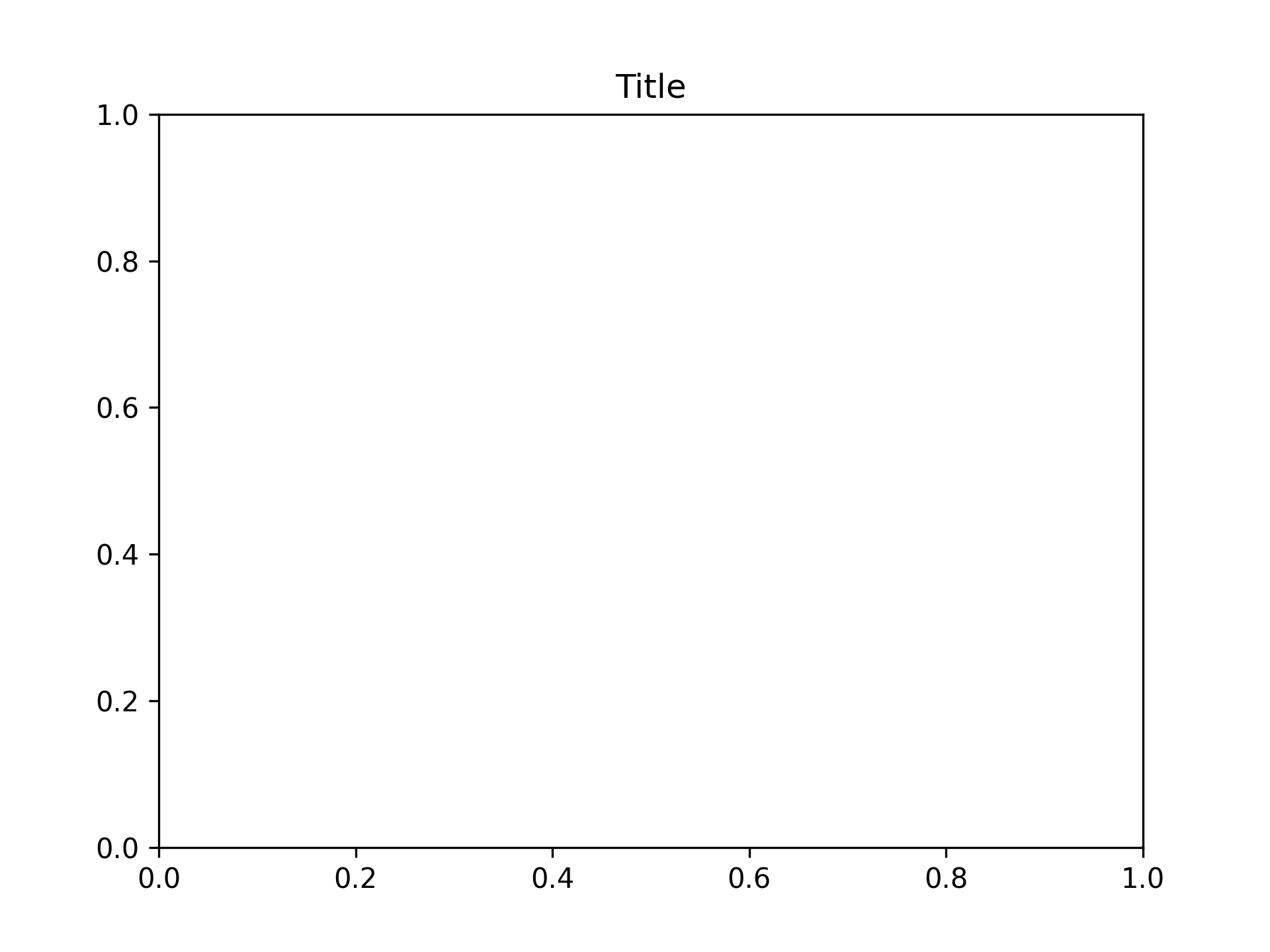
Setting title to "Title"
fig, ax = plt.subplots()
ax.set_title("Title")
Setting Axis Labels
Setting X-Axis Labels
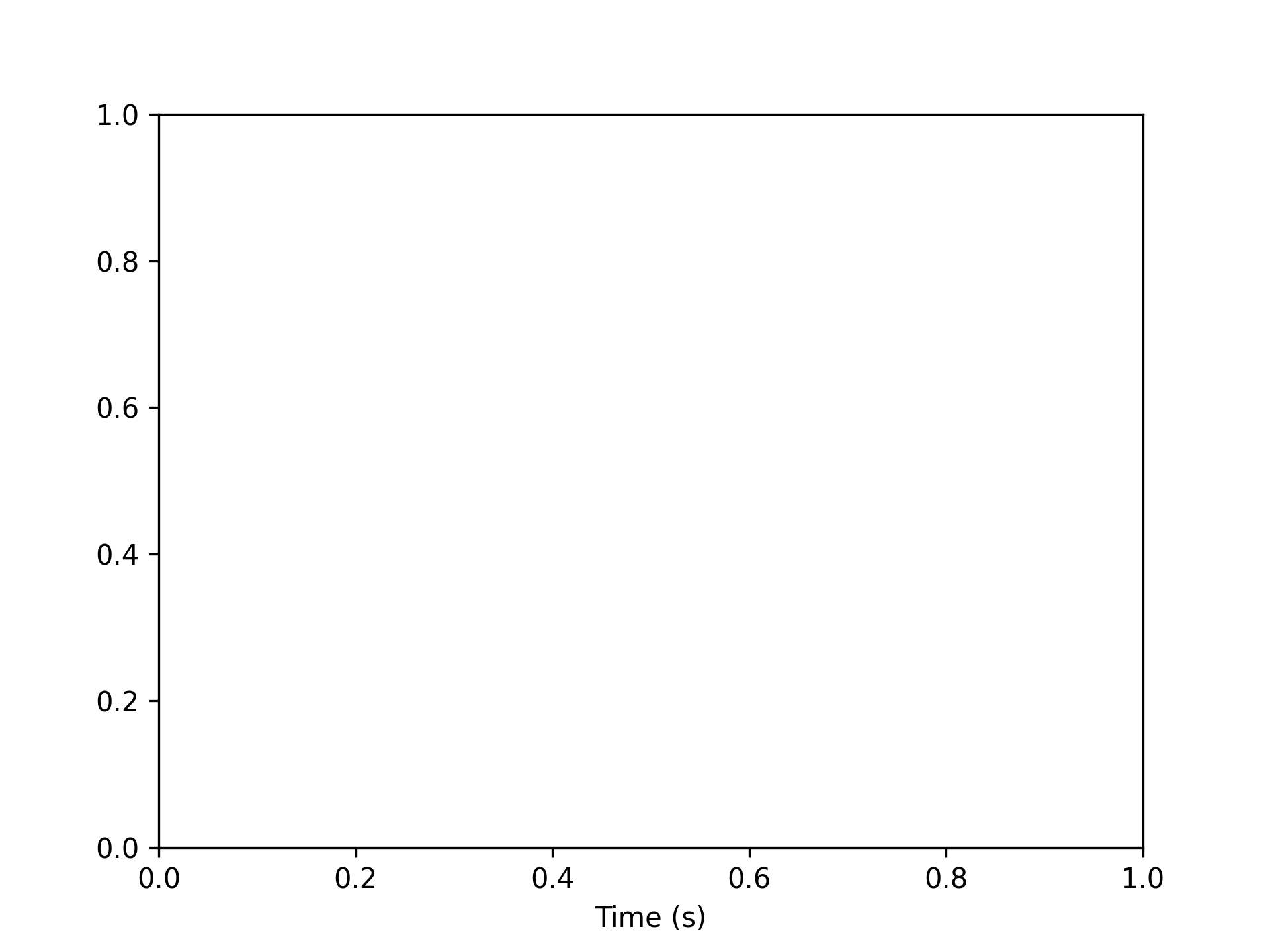
Setting x-axis label to "Time (s)"
fig, ax = plt.subplots()
ax.set_xlabel("Time (s)")
Setting Y-Axis Labels
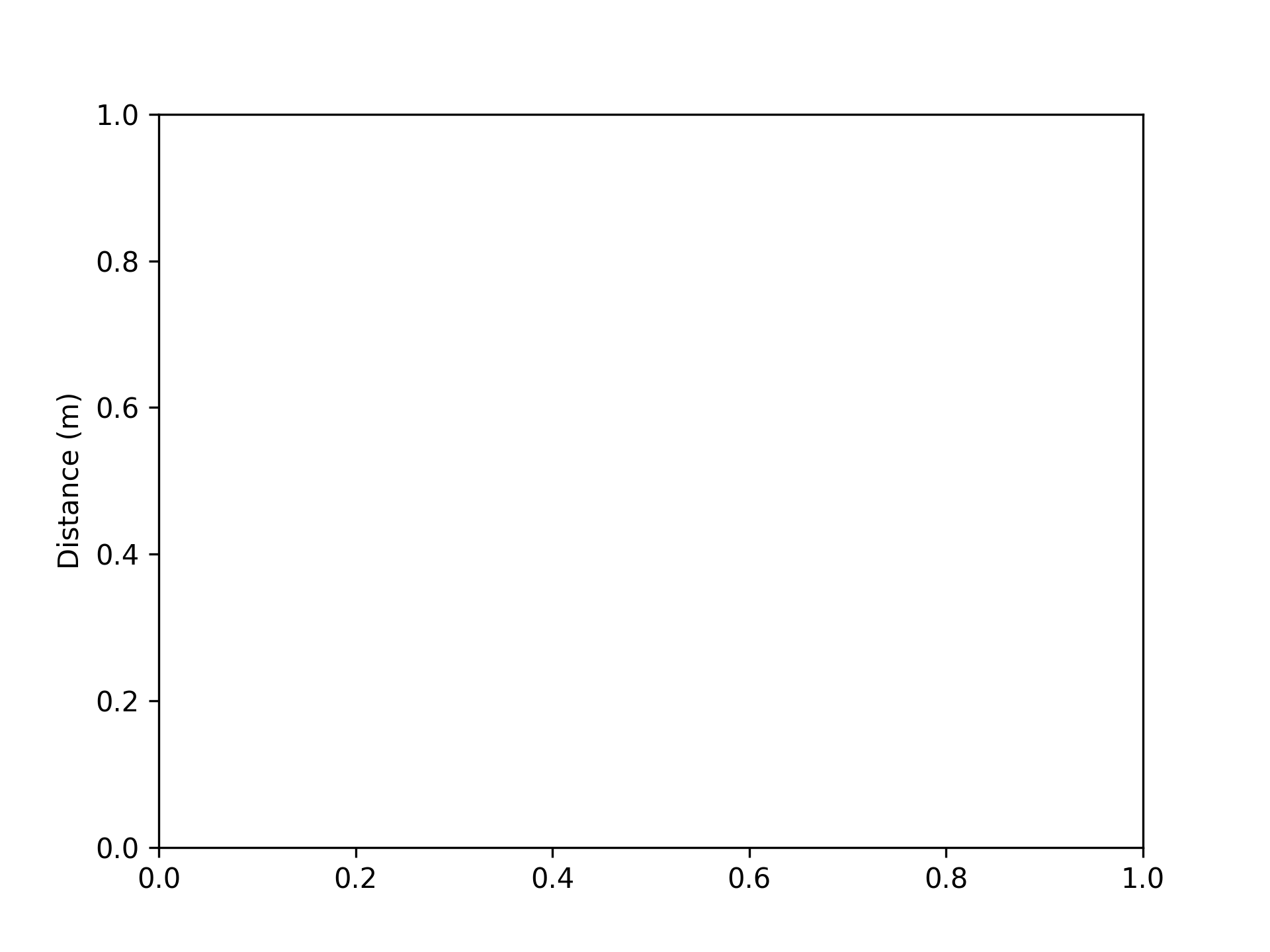
Setting y-axis label to "Distance (m)"
fig, ax = plt.subplots()
ax.set_ylabel("Distance (m)")
Setting Graph Top and Bottom
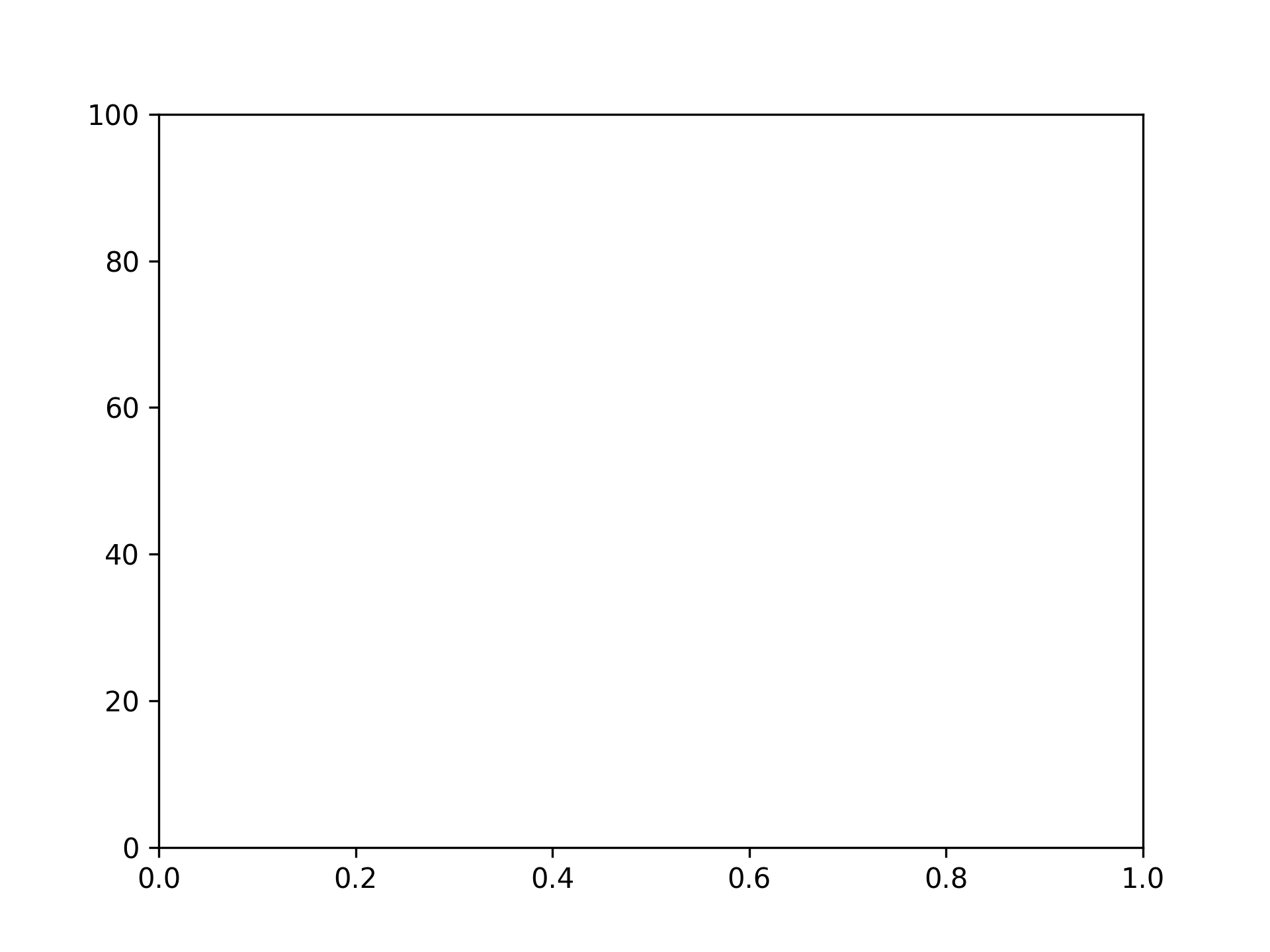
Setting top to 100
fig, ax = plt.subplots()
ax.set_ylim(top=100)
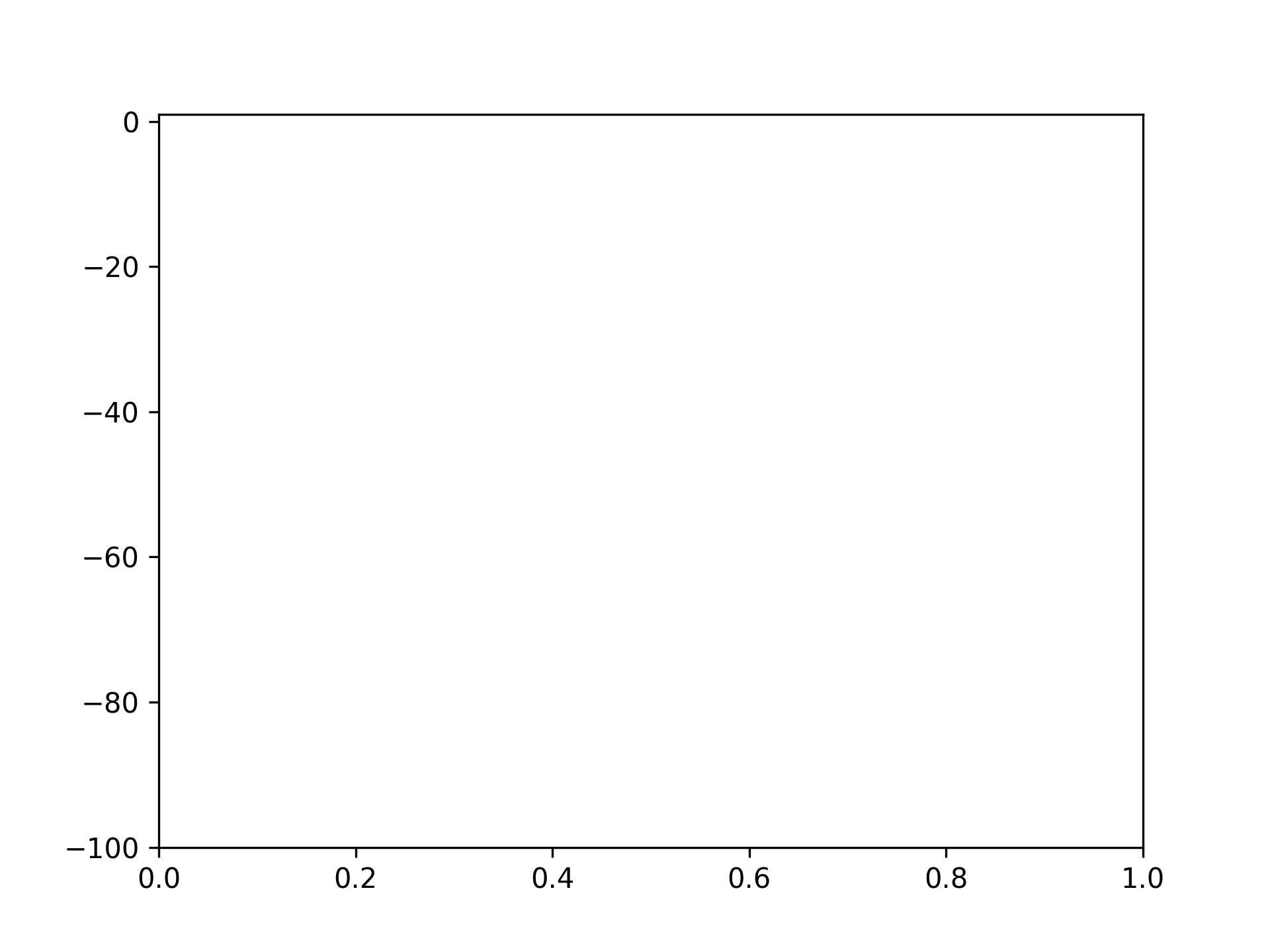
Setting bottom to -100
fig, ax = plt.subplots()
ax.set_ylim(bottom=-100)
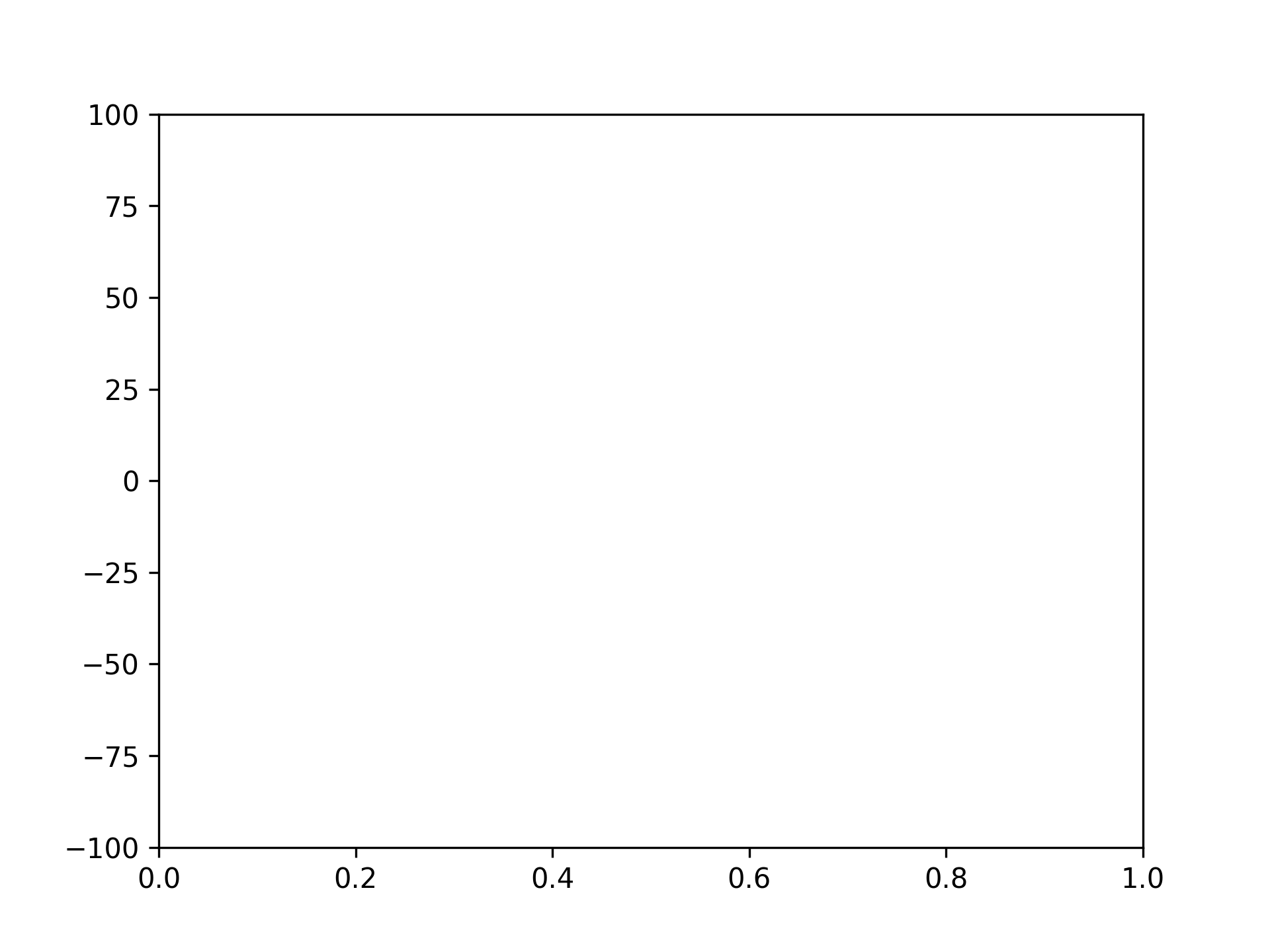
Setting top to 100 and bottom to -100
fig, ax = plt.subplots()
ax.set_ylim([-100, 100])
Setting Graph Left and Right
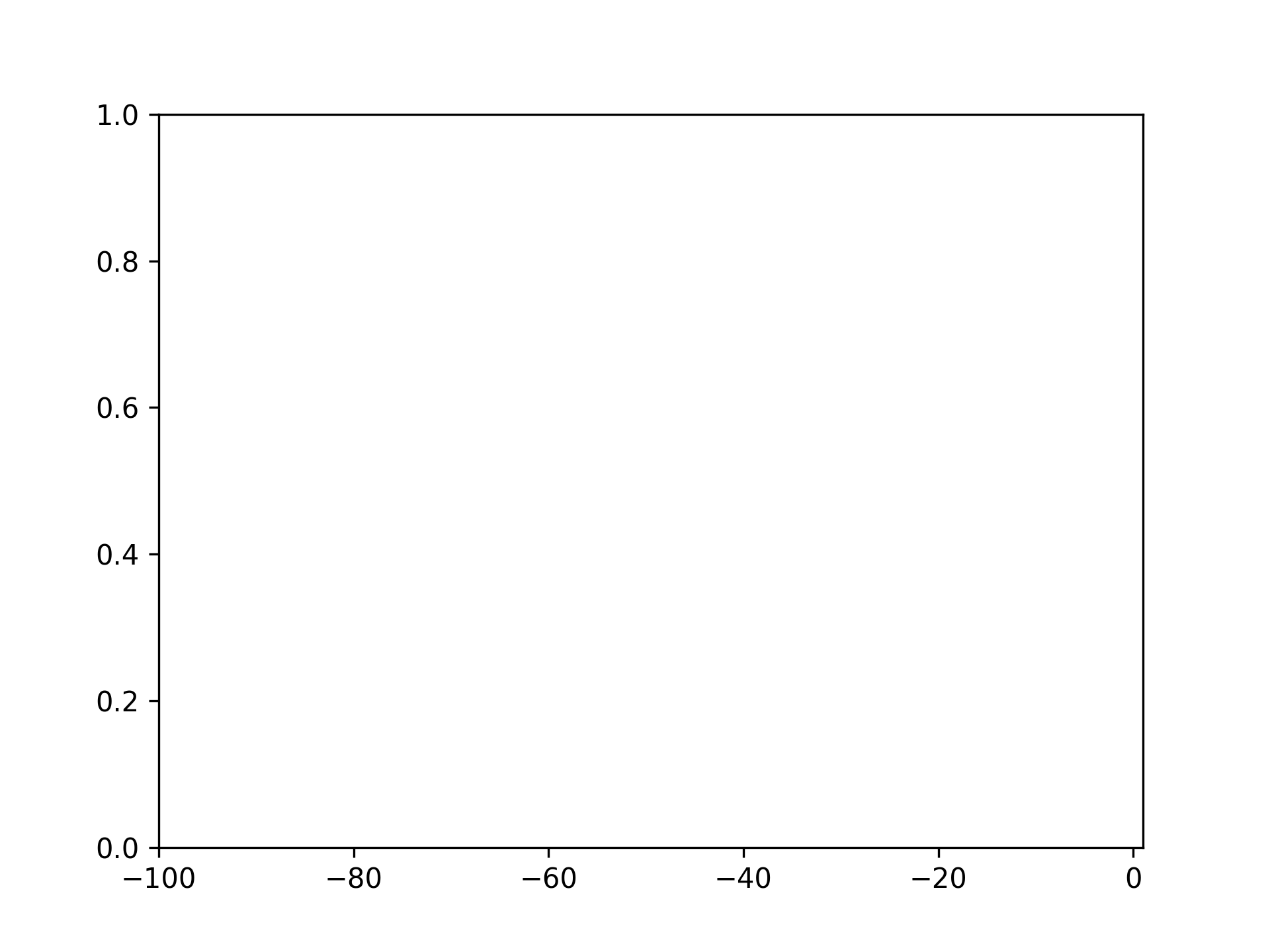
Setting left to -100
fig, ax = plt.subplots()
ax.set_xlim(left=-100)
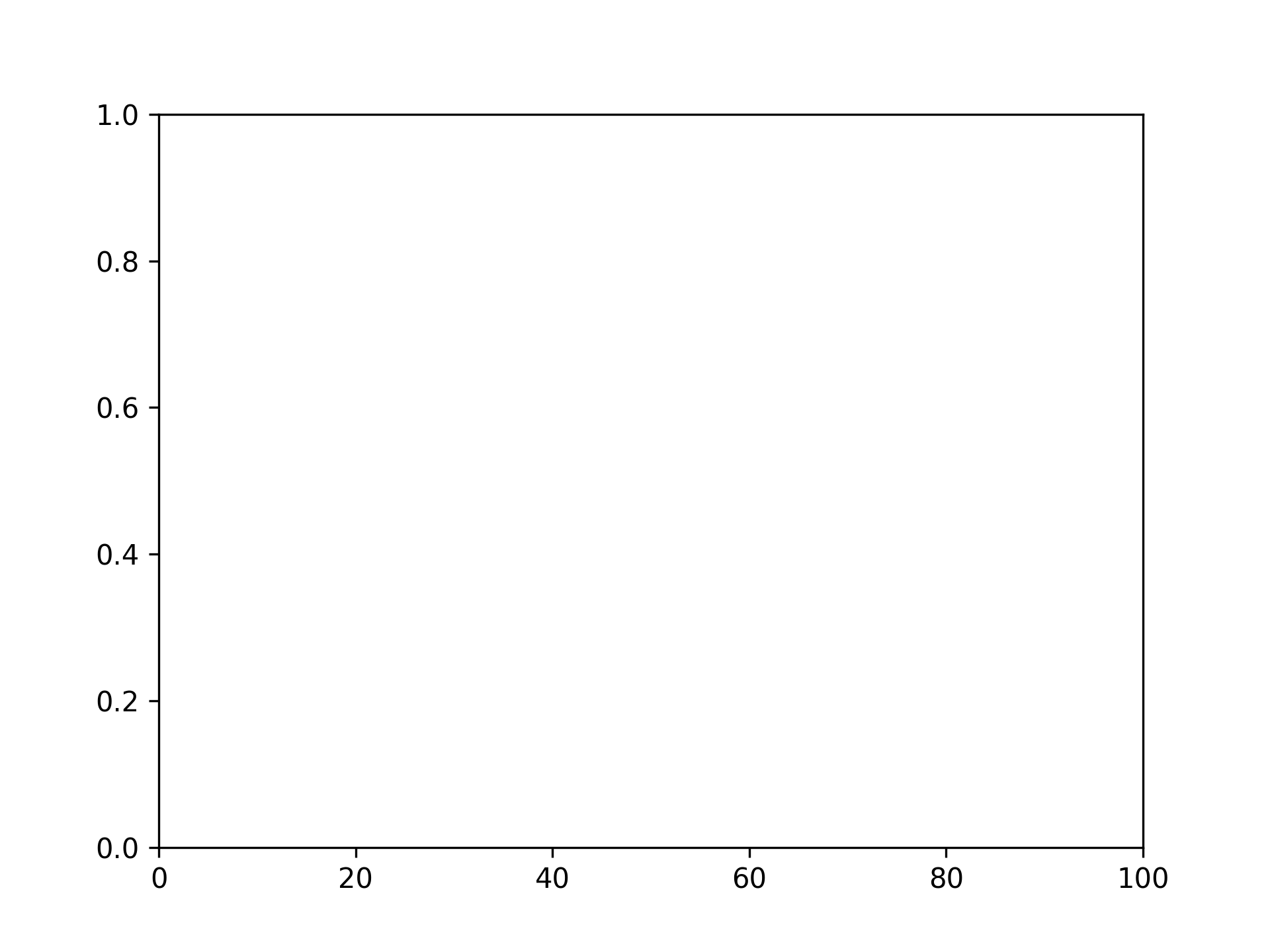
Setting right to 100
fig, ax = plt.subplots()
ax.set_xlim(right=100)
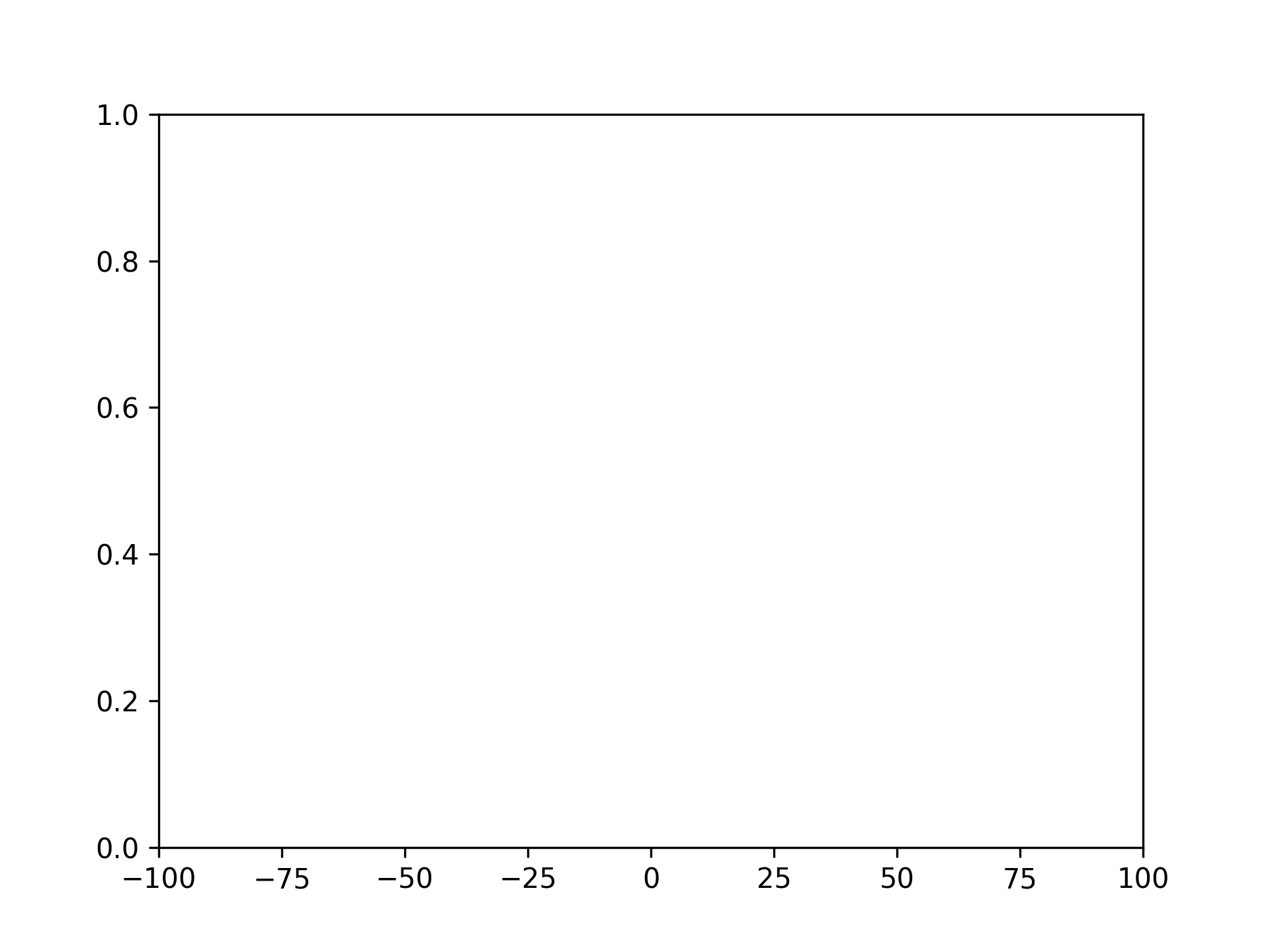
Setting left to -100 and right to 100
fig, ax = plt.subplots()
ax.set_xlim([-100, 100])
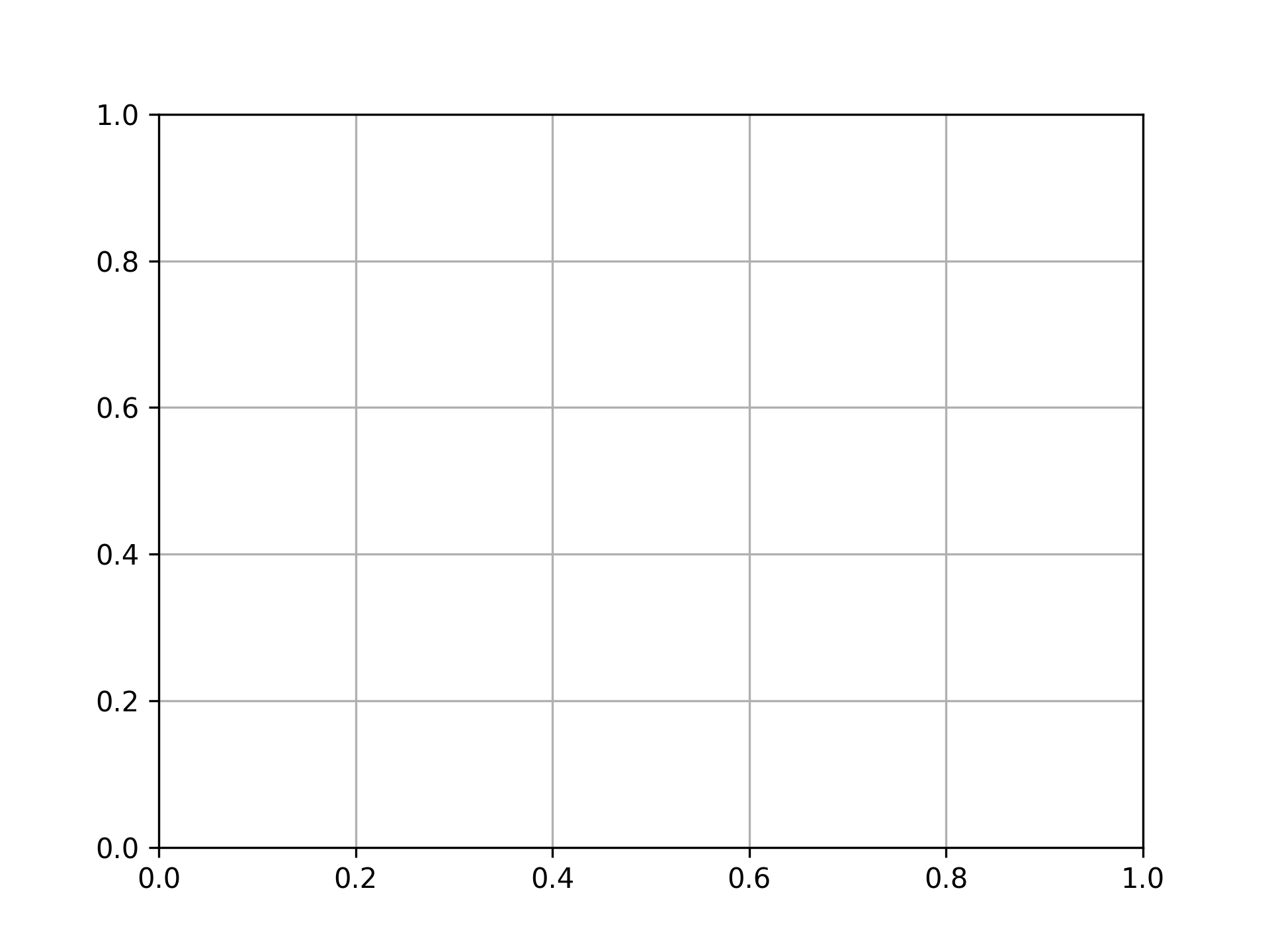
Displaying Grid
fig, ax = plt.subplots()
ax.grid()
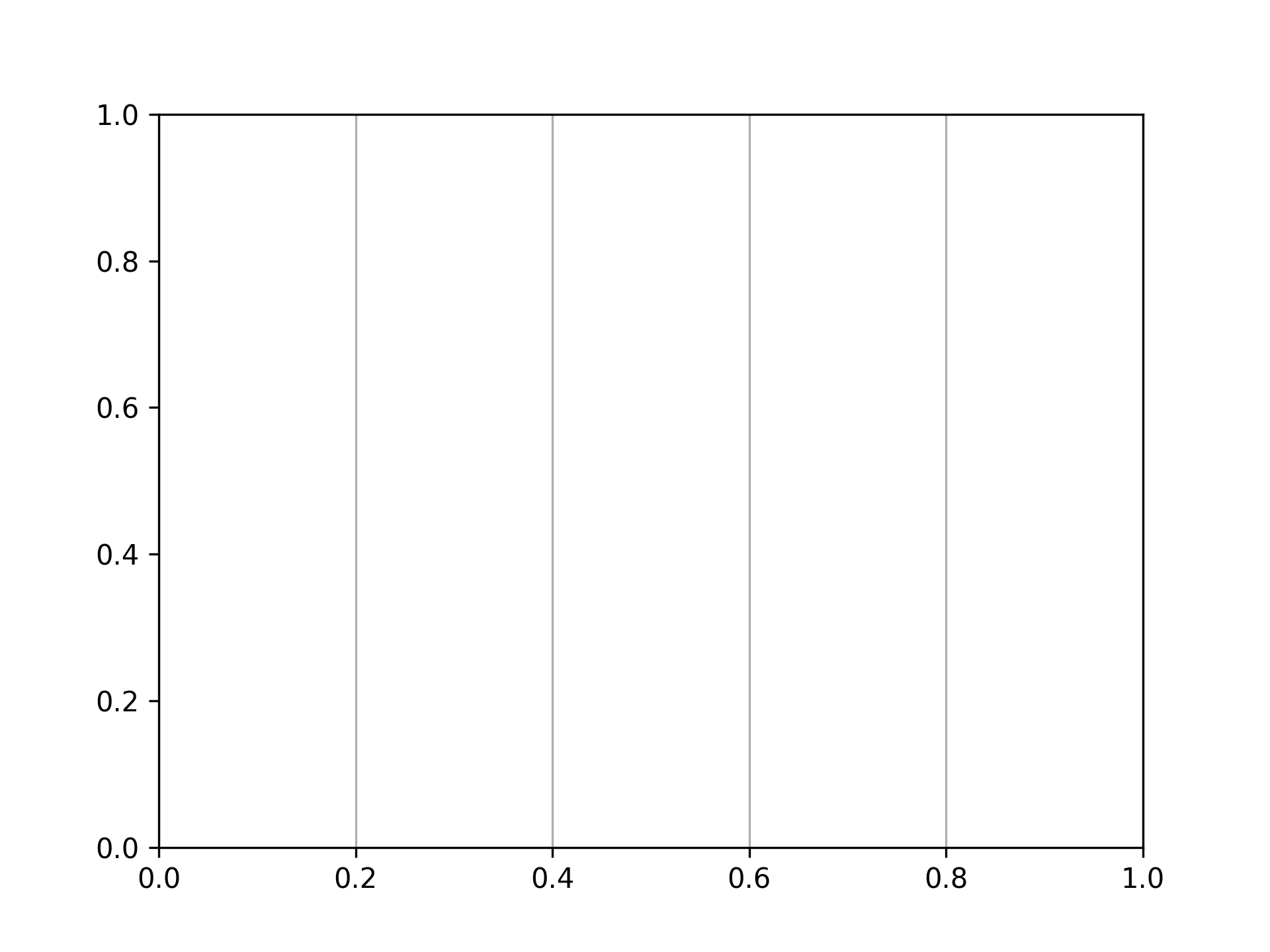
Displaying grid vertically only
fig, ax = plt.subplots()
ax.grid(axis="x")
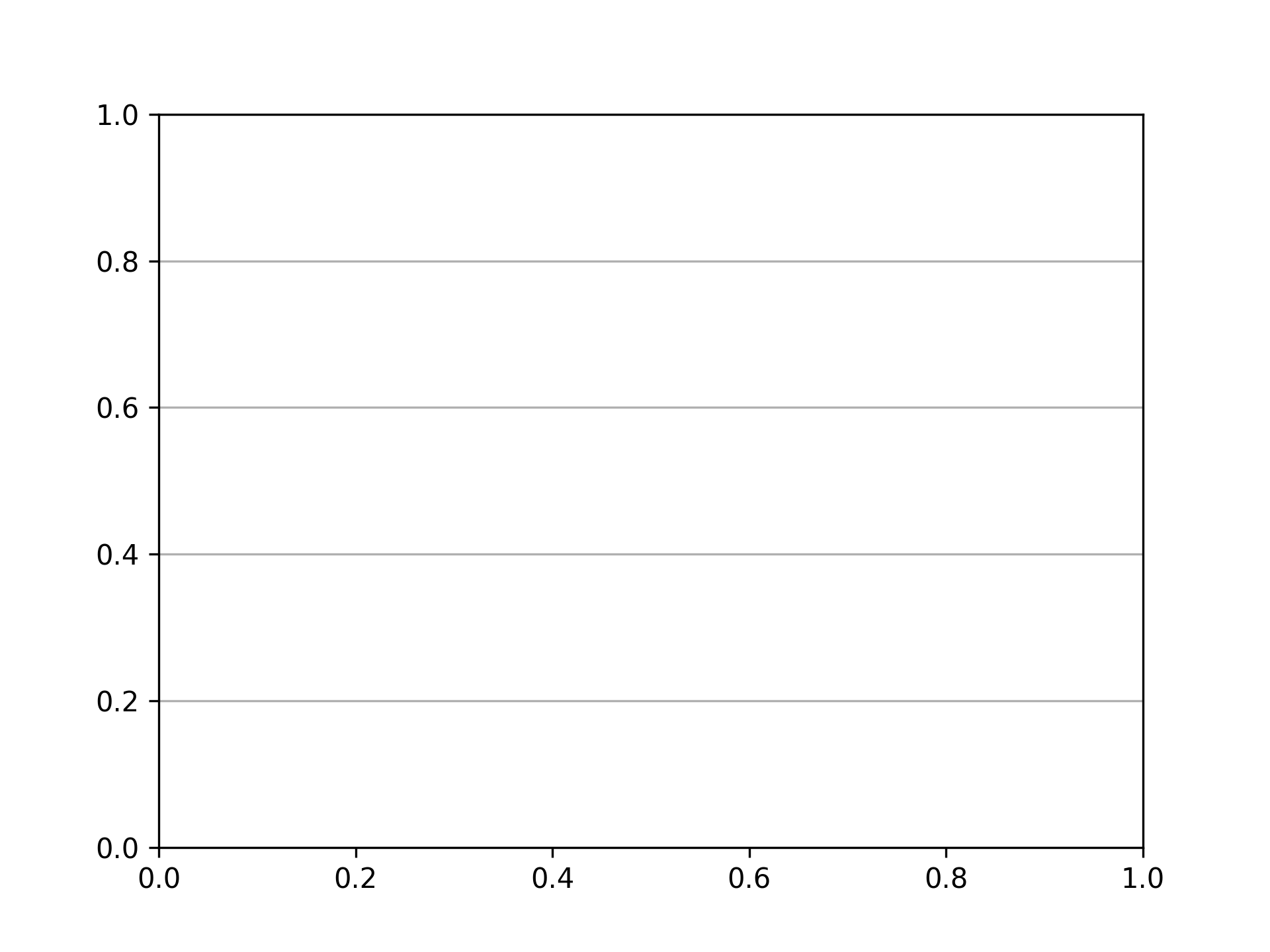
Displaying grid horizontally only
fig, ax = plt.subplots()
ax.grid(axis="y")
Setting Ticks
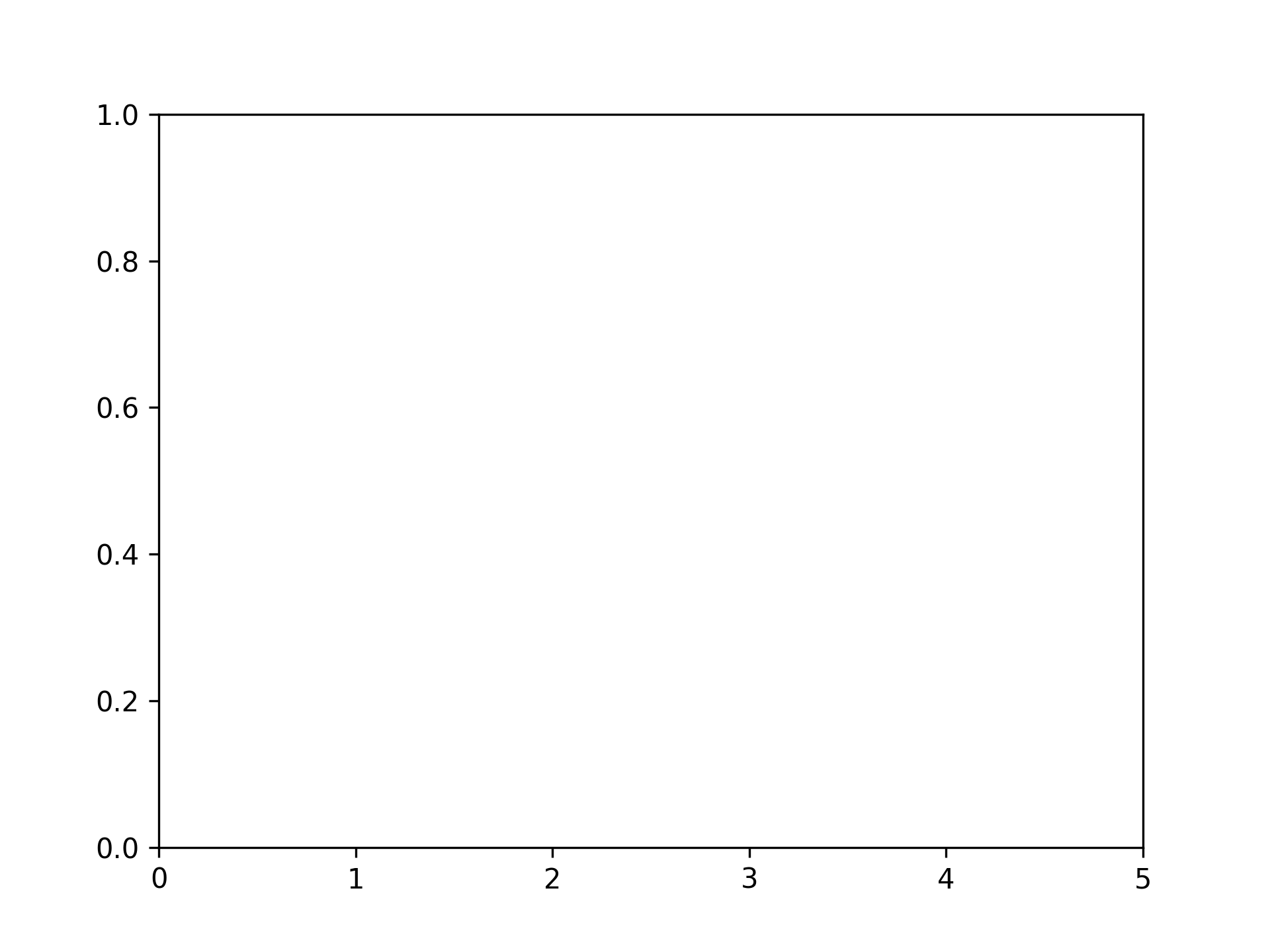
Setting x-axis ticks
fig, ax = plt.subplots()
xticks = range(6)
ax.set_xticks(xticks)
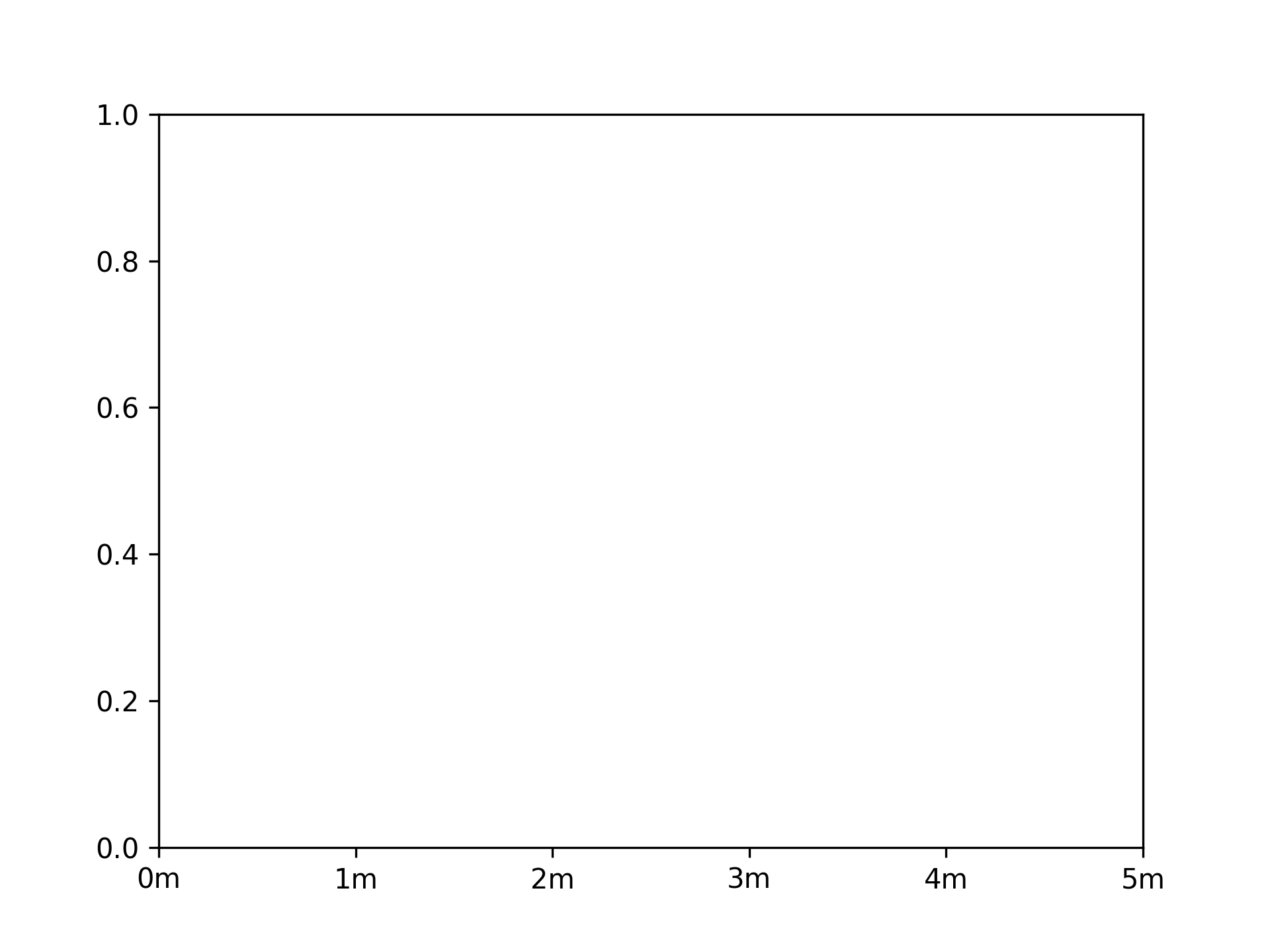
Setting x-axis ticks and tick labels
fig, ax = plt.subplots()
xticks = range(6)
ax.set_xticks(xticks, [f"{xtick}m" for xtick in xticks])
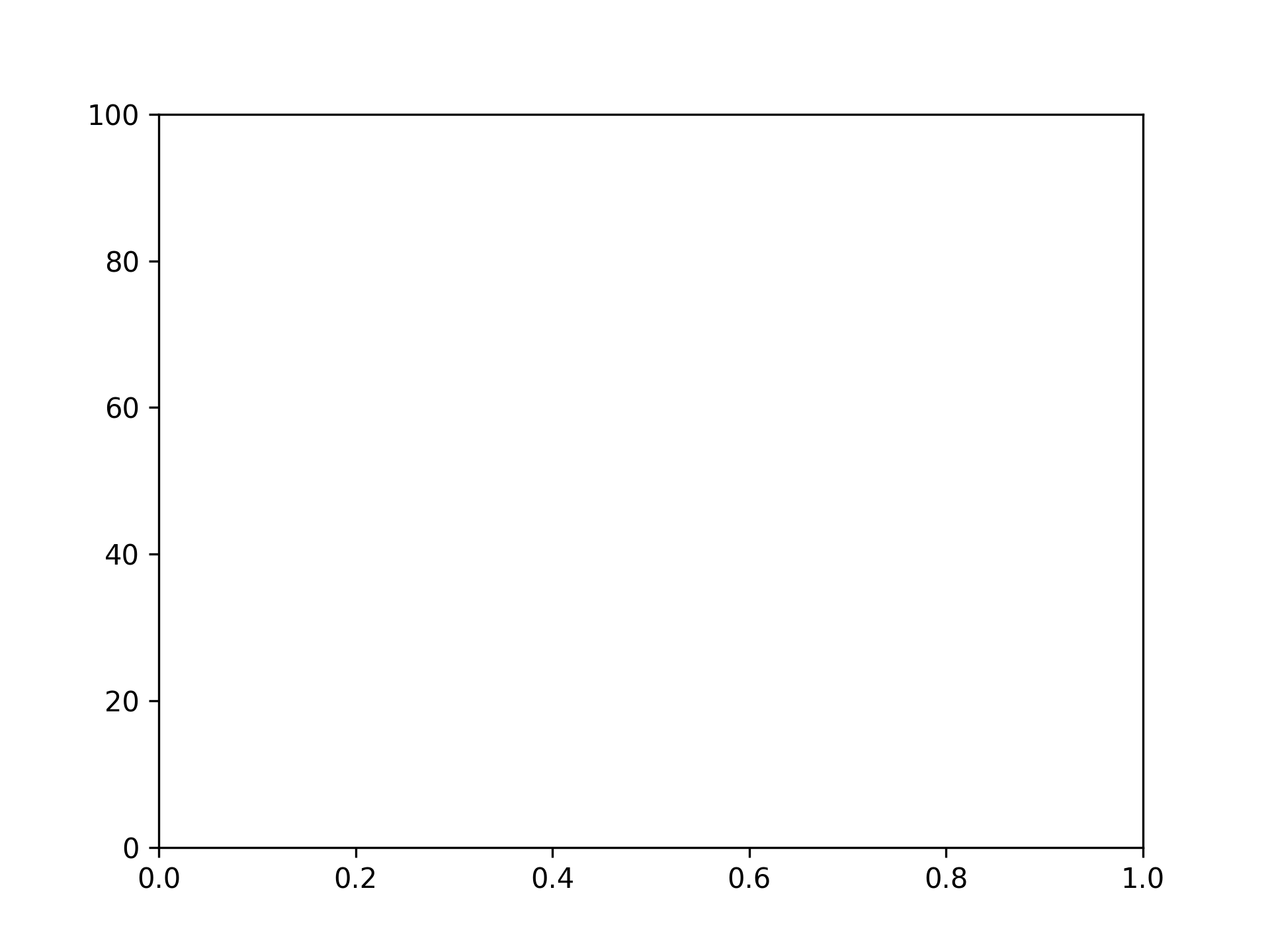
Setting y-axis ticks
fig, ax = plt.subplots()
yticks = [i * 20 for i in range(6)]
ax.set_yticks(yticks)
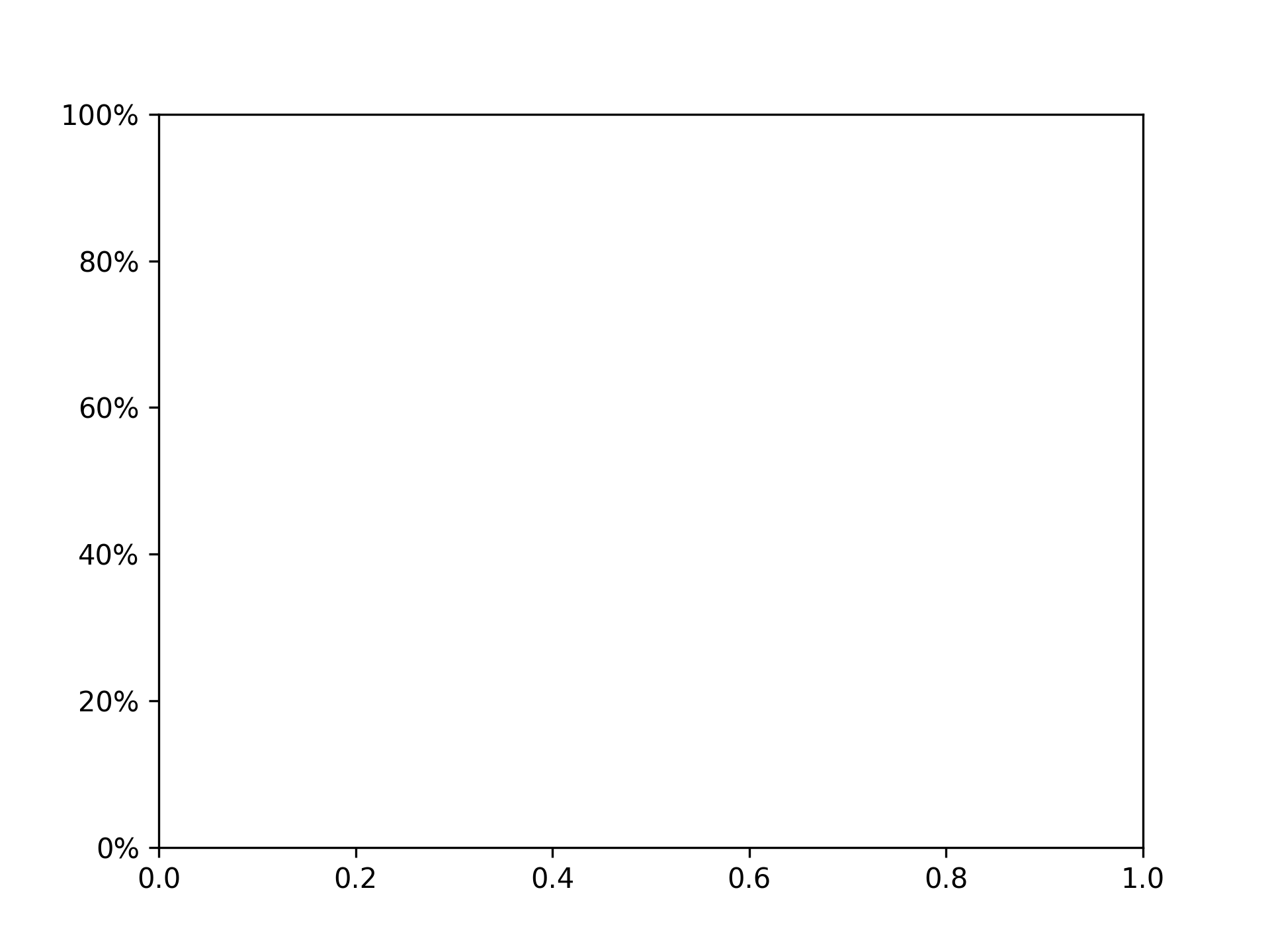
Setting y-axis ticks and tick labels
fig, ax = plt.subplots()
yticks = [i * 20 for i in range(6)]
ax.set_yticks(yticks, [f"{ytick}%" for ytick in yticks])
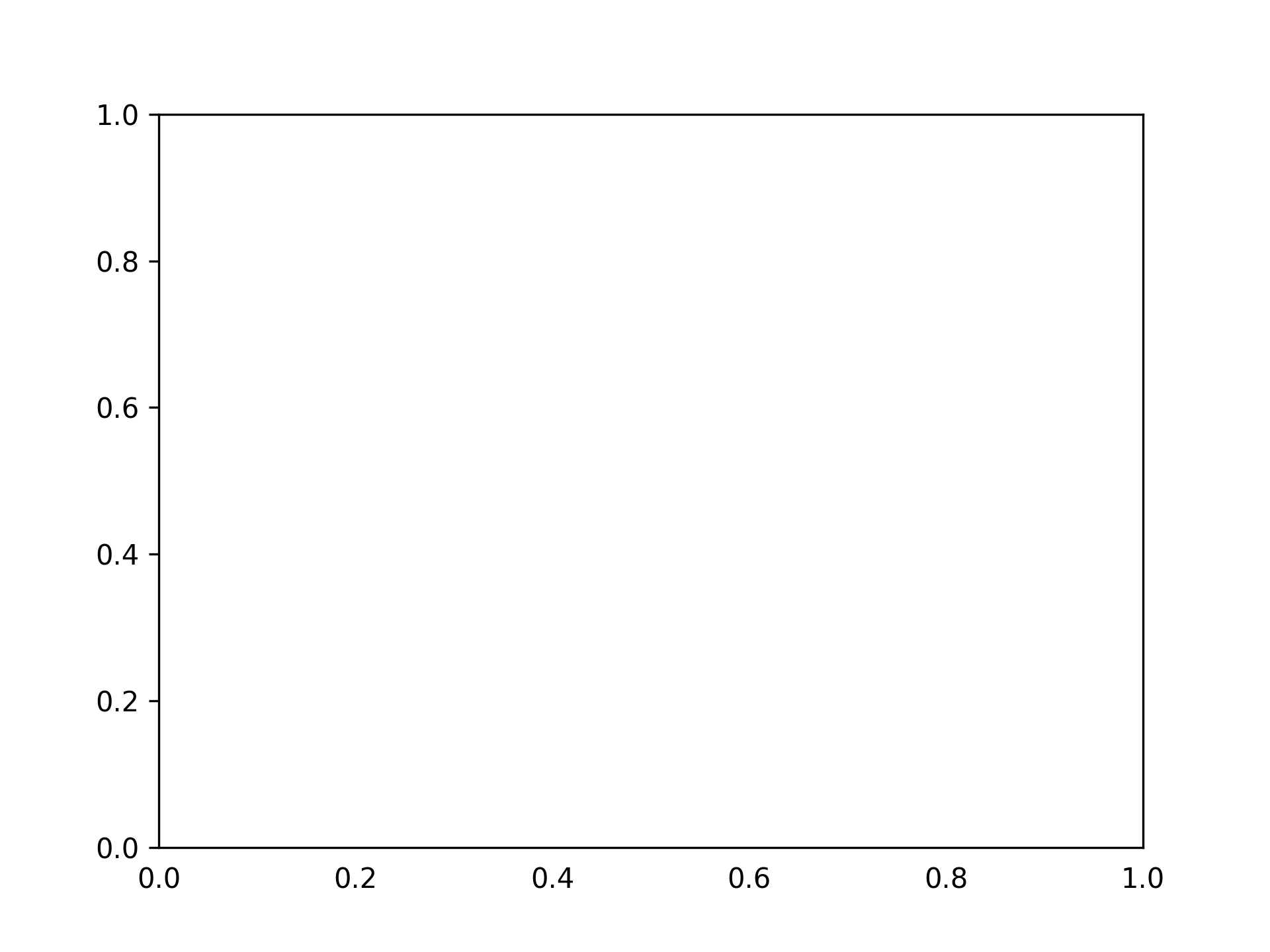
Removing Ticks
Removing x-axis ticks
fig, ax = plt.subplots()
ax.tick_params(bottom=False)
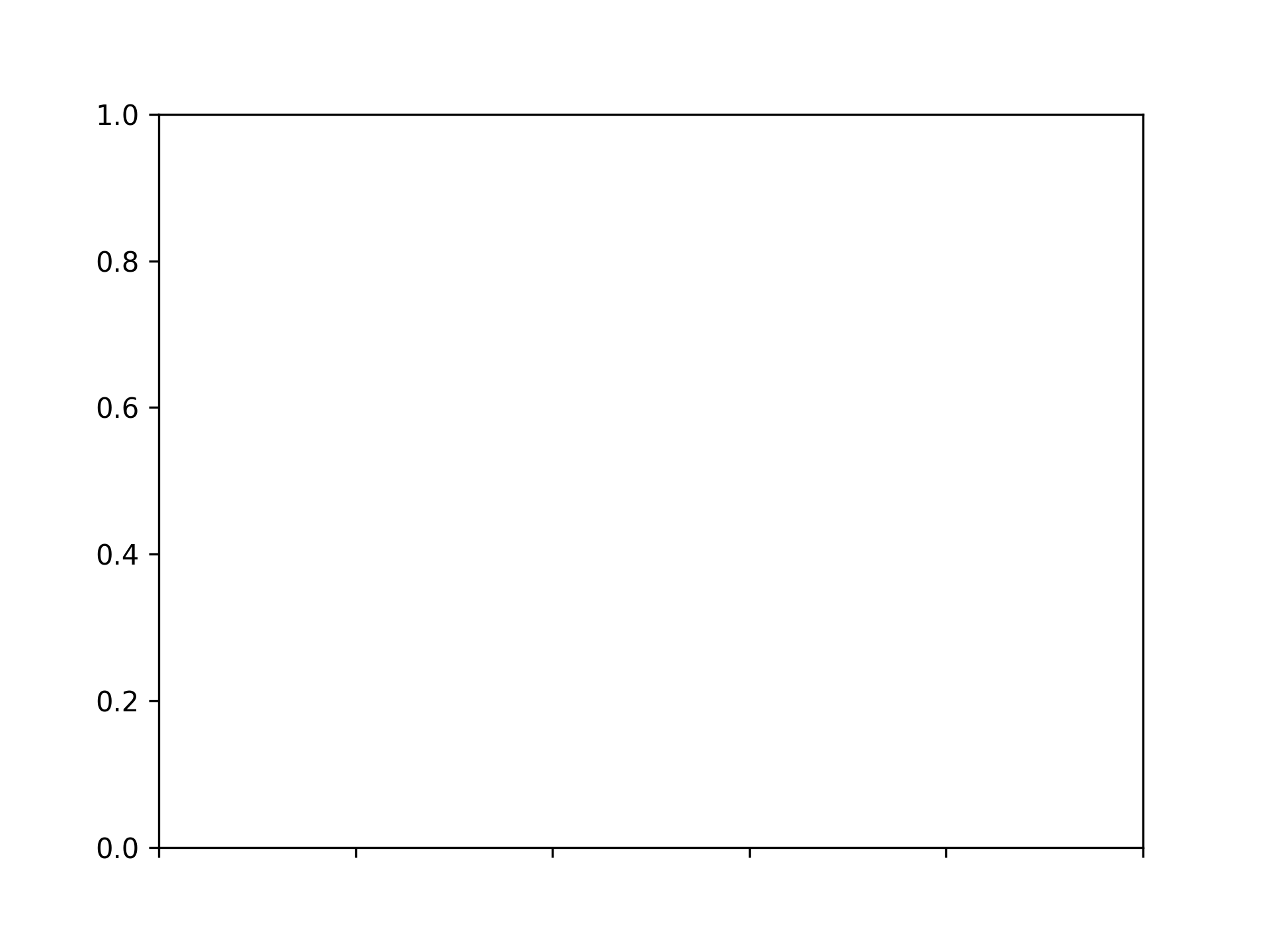
Removing x-axis tick labels
fig, ax = plt.subplots()
ax.tick_params(labelbottom=False)
Removing y-axis ticks
fig, ax = plt.subplots()
ax.tick_params(left=False)
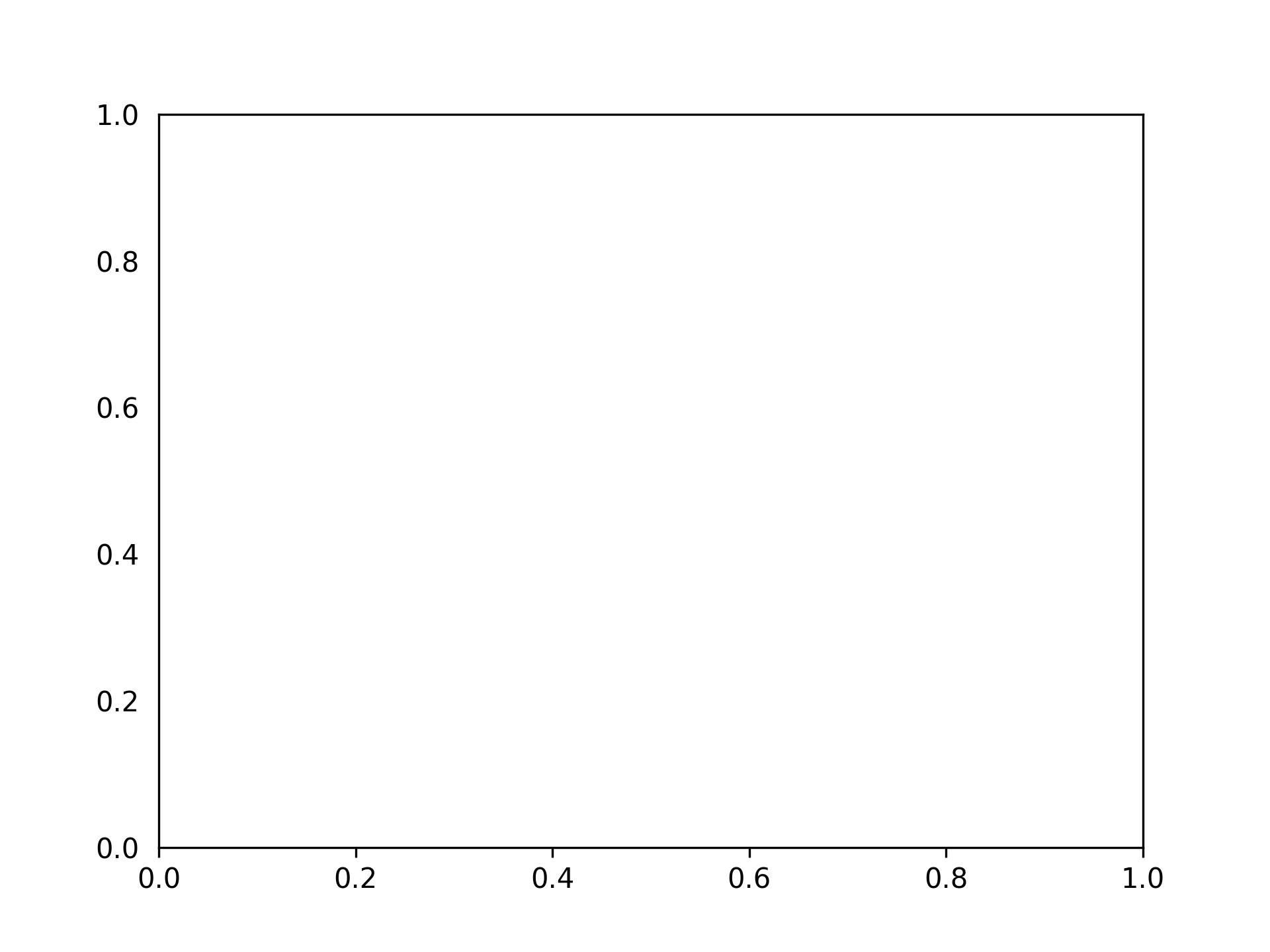
Removing y-axis tick labels
fig, ax = plt.subplots()
ax.tick_params(labelleft=False)
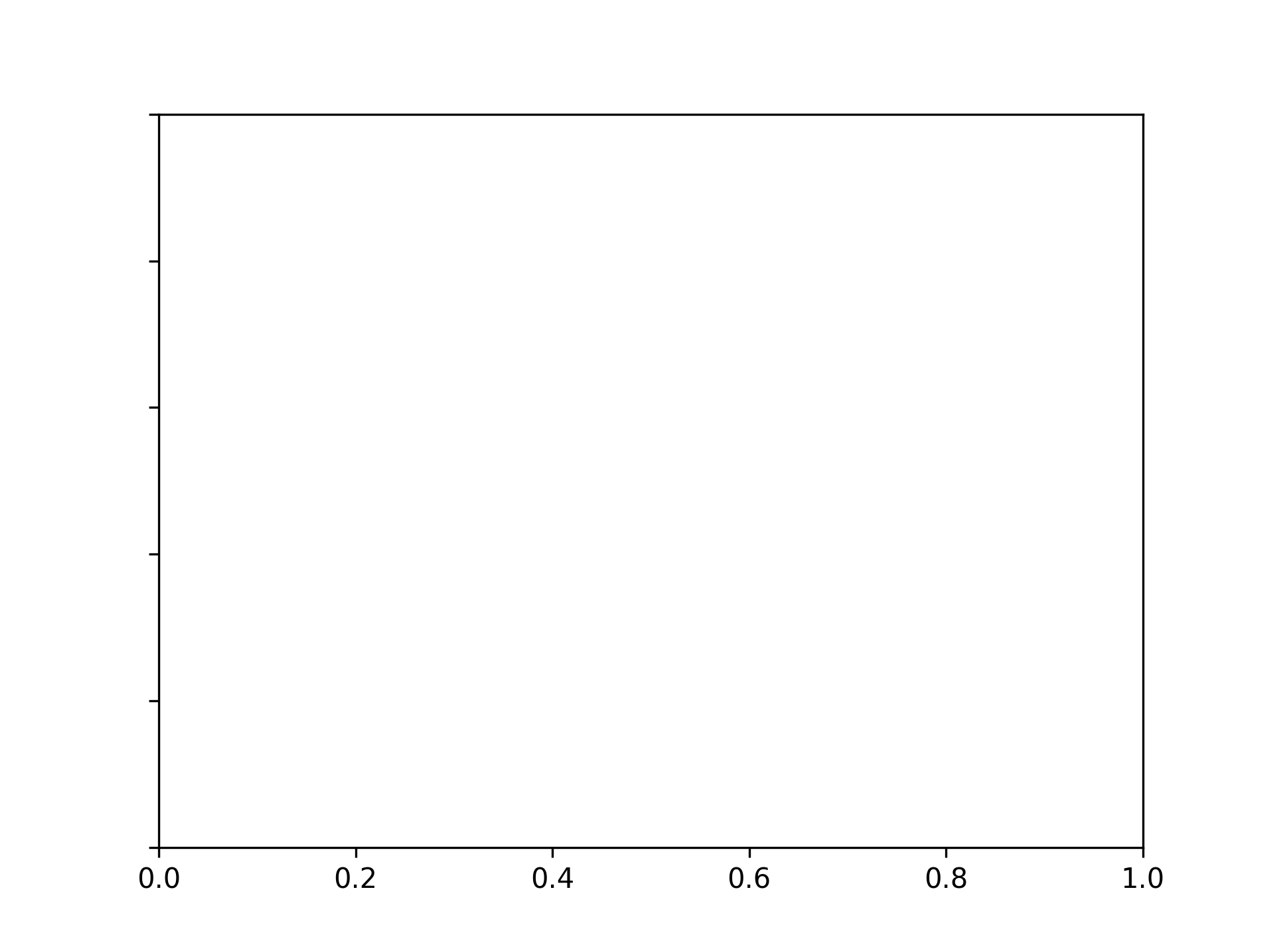
Setting Tick Colors
Setting x-axis tick color to red
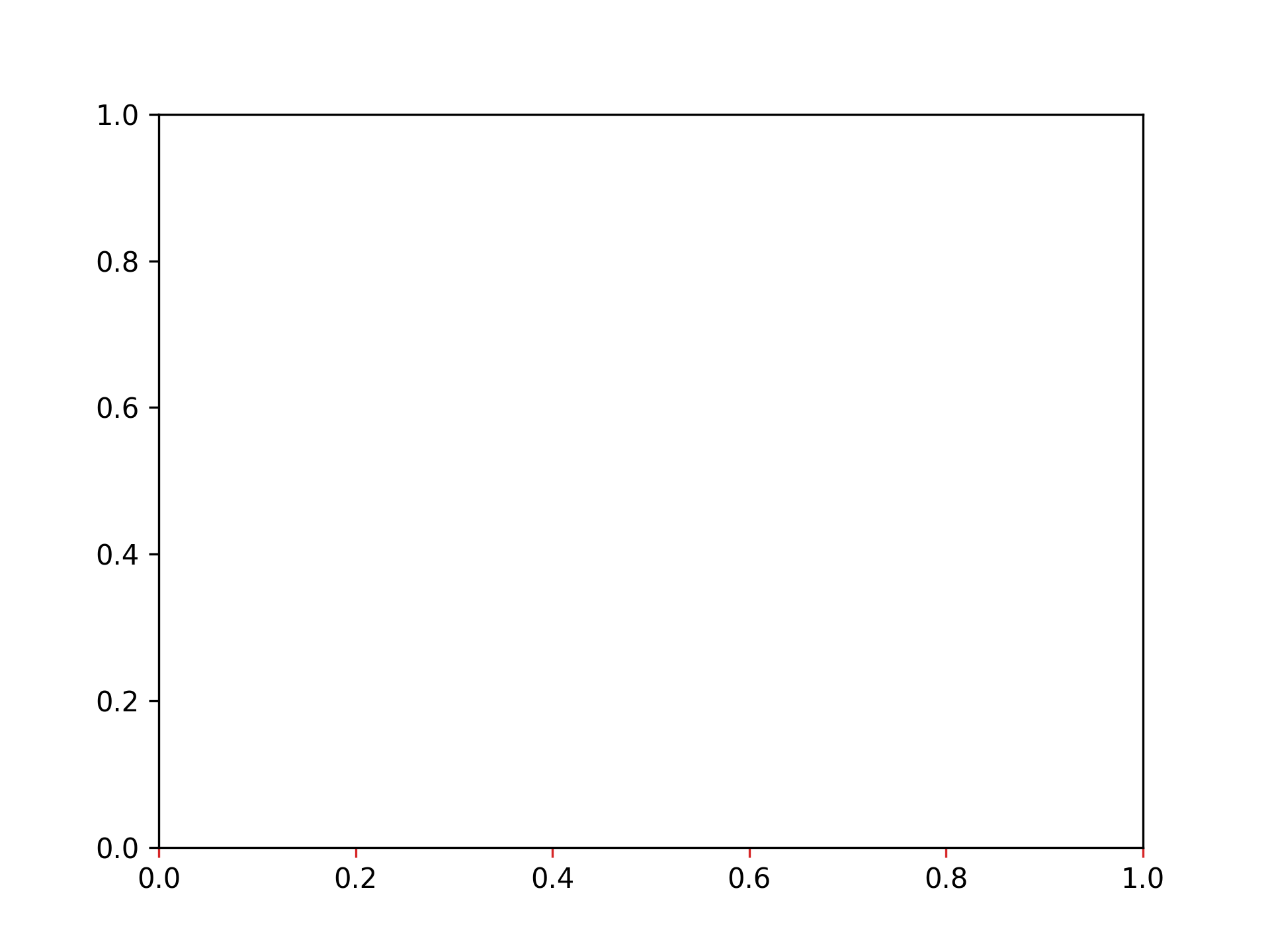
fig, ax = plt.subplots()
ax.tick_params(axis="x", color="tab:red")
Setting x-axis tick label color to red
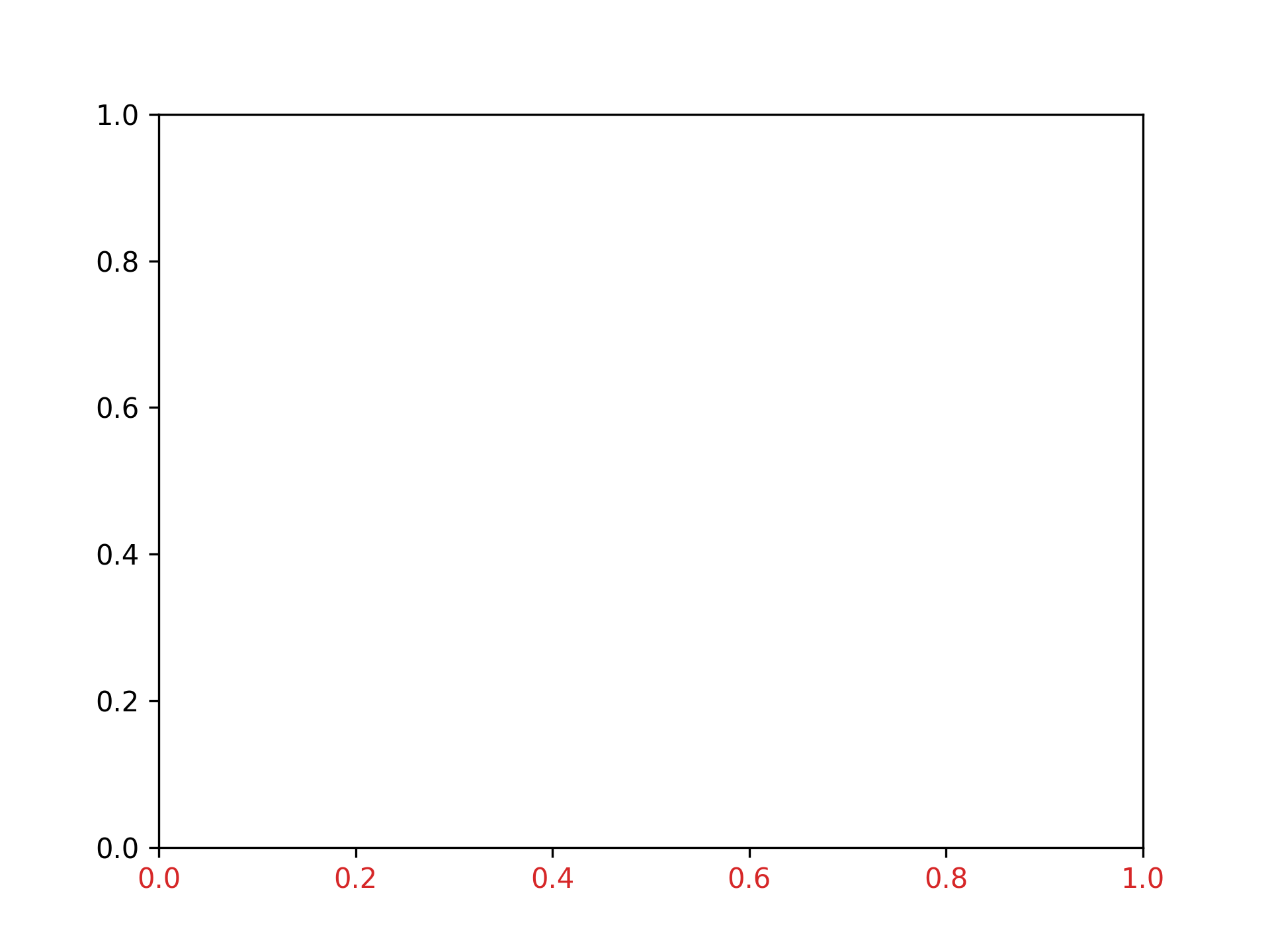
fig, ax = plt.subplots()
ax.tick_params(axis="x", labelcolor="tab:red")
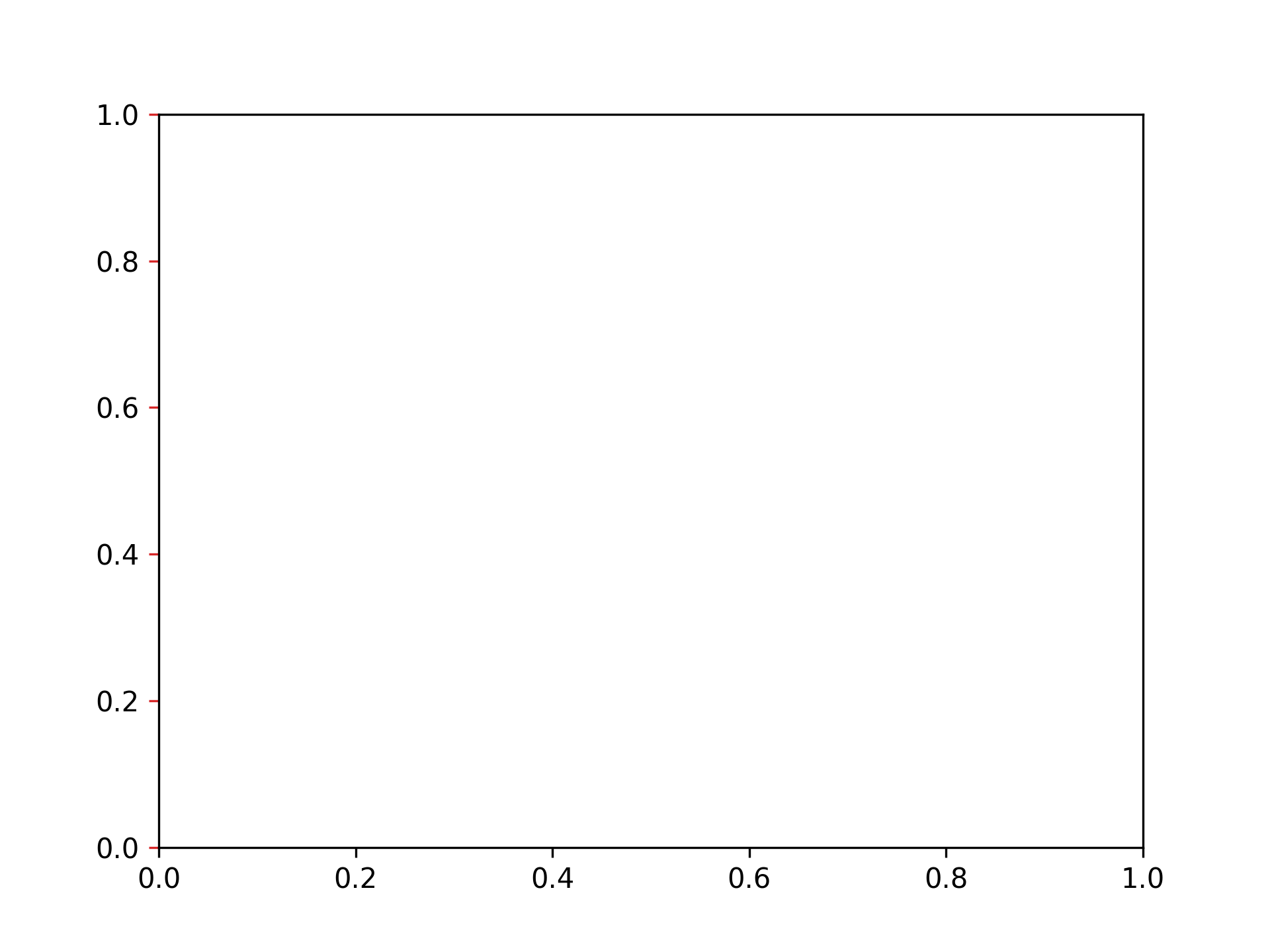
Setting y-axis tick color to red
fig, ax = plt.subplots()
ax.tick_params(axis="y", color="tab:red")
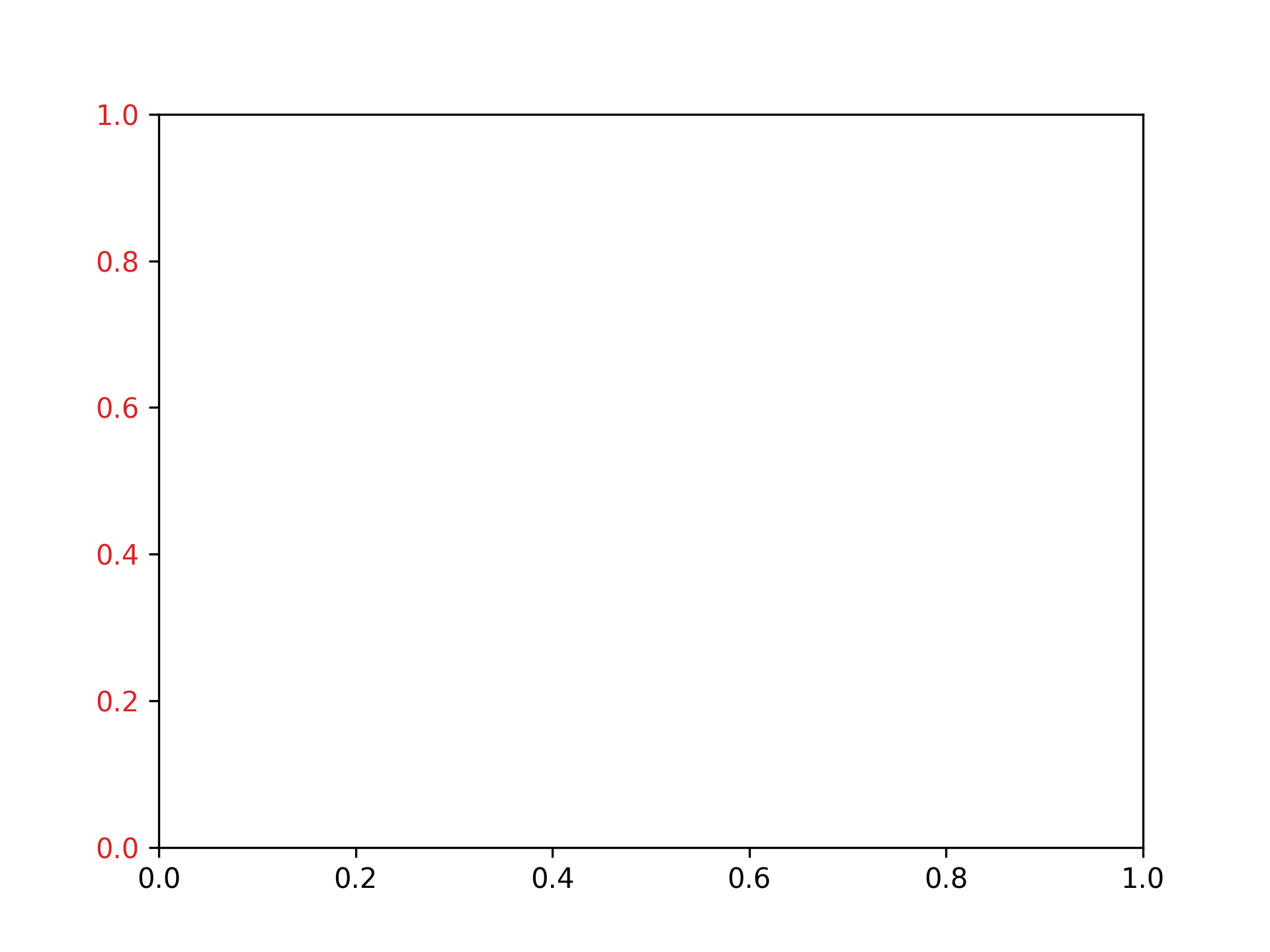
Setting y-axis tick label color to red
fig, ax = plt.subplots()
ax.tick_params(axis="y", labelcolor="tab:red")
Adjusting Graph Spacing
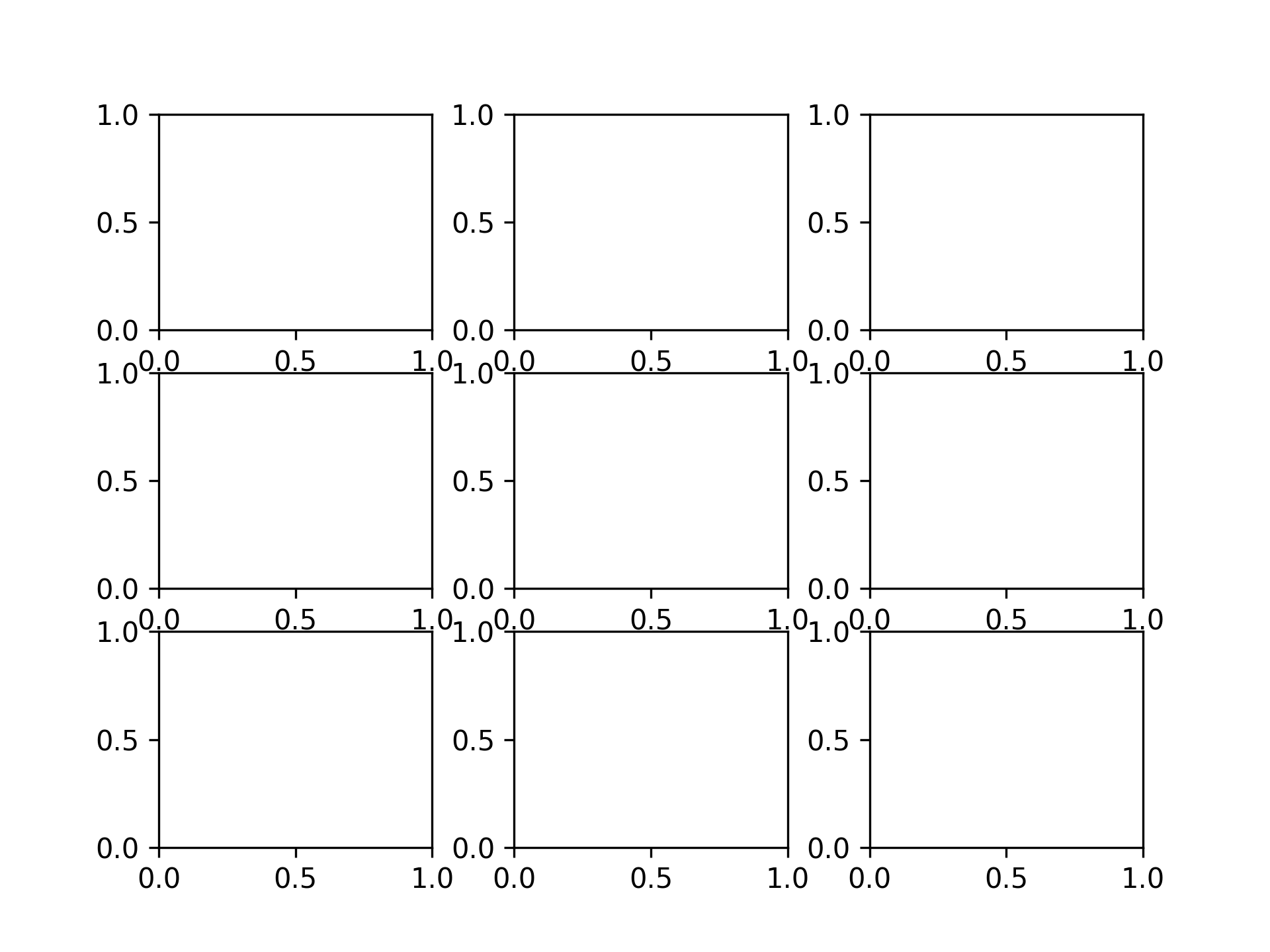
Setting vertical spacing to 0.2 and horizontal spacing to 0.3
fig, ax = plt.subplots(3, 3)
fig.subplots_adjust(hspace=0.2, wspace=0.3)
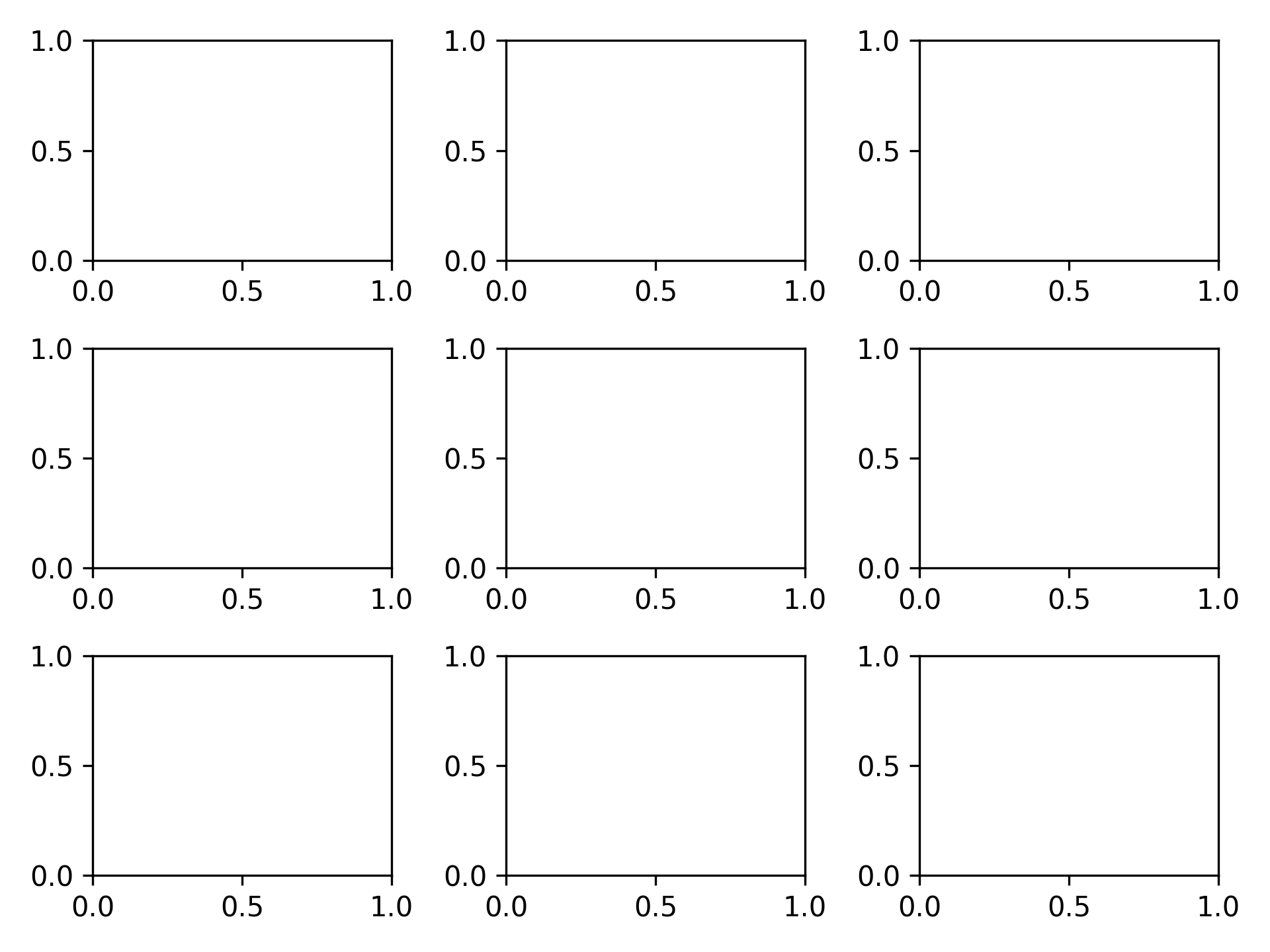
Setting spacing to automatic
fig, ax = plt.subplots(3, 3)
fig.tight_layout()
Saving Images
Saving as PNG
fig, ax = plt.subplots()
plt.savefig("graph.png")

Saving as SVG
fig, ax = plt.subplots()
plt.savefig("graph.svg")
Saving as PDF
fig, ax = plt.subplots()
plt.savefig("graph.pdf")
Saving at 300 dpi
fig, ax = plt.subplots()
plt.savefig("graph300.png", dpi=300)
Summary of frequently used dotnet commands
| Command | Function |
|---|---|
dotnet new | Create a new project |
dotnet add | Add a package |
dotnet remove | Remove a package |
dotnet publish | Publish an app to a directory |
dotnet run | Run the project |
dotnet sln | Manage solution files |
dotnet new
Example
dotnet new wpf
dotnet add
Example
dotnet add package Microsoft.Web.WebView2
dotnet remove
Example
dotnet remove package Microsoft.Web.WebView2
Linux Network Management Commands (nmcli and nmtui)
nmcli
nmcli connection: Display all connections
pi@raspberrypi:~ $ nmcli connection
NAME           UUID                                  TYPE      DEVICE
preconfigured  1b29633c-51a7-42a8-8357-a23ddbb791b9  wifi      wlan0
lo             37334688-5c87-47fc-87d3-8c4e31934dd2  loopback  lo
有線接続 1     0df9157e-b1a9-3026-9bd5-f05234e1cf4b  ethernet  --
nmcli device: Display devices and their states
pi@raspberrypi:~ $ nmcli device
DEVICE         TYPE      STATE            CONNECTION
wlan0          wifi      接続済み         preconfigured
lo             loopback  接続済み (外部)  lo
p2p-dev-wlan0  wifi-p2p  切断済み         --
eth0           ethernet  利用不可         --
nmcli connection show ...: Display properties
Run nmcli connection show <profile name> to display its properties.
pi@raspberrypi:~ $ nmcli connection show <プロファイル名>
connection.id:                          <プロファイル名>
connection.uuid:                        1b29633c-51a7-42a8-8357-a23ddbb791b9
connection.stable-id:                   --
connection.type:                        802-11-wireless
connection.interface-name:              --
connection.autoconnect:                 はい
connection.autoconnect-priority:        0
connection.autoconnect-retries:         -1 (default)
connection.multi-connect:               0 (default)
connection.auth-retries:                -1
connection.timestamp:                   1710955164
connection.read-only:                   いいえ
connection.permissions:                 --
connection.zone:                        --
connection.master:                      --
connection.slave-type:                  --
connection.autoconnect-slaves:          -1 (default)
connection.secondaries:                 --
connection.gateway-ping-timeout:        0
connection.metered:                     不明
connection.lldp:                        default
connection.mdns:                        -1 (default)
connection.llmnr:                       -1 (default)
connection.dns-over-tls:                -1 (default)
lines 1-24
Check IP address
pi@raspberrypi:~ $ nmcli connection show <プロファイル名> | grep ipv4.addresses
ipv4.addresses:                         192.168.10.113/24
Set IP address
In the example below, the IP address is set to 192.168.10.113 and the prefix length to 24.
sudo nmcli connection modify <プロファイル名> ipv4.addresses 192.168.10.113/24
Check DNS server
pi@raspberrypi:~ $ nmcli connection show <プロファイル名> | grep ipv4.dns:
ipv4.dns:                               192.168.10.1
Set DNS server
In the example below, the DNS server is set to 192.168.10.1.
sudo nmcli connection modify <プロファイル名> ipv4.dns 192.168.10.1
Disconnect a connection
sudo nmcli connection down <プロファイル名>
Connect a connection
sudo nmcli connection up <プロファイル名>
nmtui: Configure network connections with TUI
sudo nmtui
How to Japanese the Linux Prompt
This post introduces how to Japanese the Linux prompt.
1. Install Japanese Locale
Next, if the Japanese locale does not exist, install it with the following command.
sudo apt update
sudo apt install language-pack-ja
2. Set the Locale
Set the Japanese locale with the following command.
sudo update-locale LANG=ja_JP.UTF8
3. Restart the System
Finally, restart the system. This will reflect the new locale settings.
sudo reboot
With the above steps, the Linux prompt will be Japanese.
How to change the Linux prompt to Japanese
This post explains how to localize the prompt on Raspberry Pi.
1. Setting the locale
Set the Japanese locale. Execute the following commands:
- Check the box as shown with a space and OK.
- Select ja_JP.UTF-8 and OK.
sudo dpkg-reconfigure locales

# [*] ja_JP.UTF-8 UTF-8
2. Reboot
Reboot the system.
sudo reboot
That's all.
How to install pyenv and Python on Ubuntu (including WSL2)
Install Dependencies
Reference: Home · pyenv/pyenv Wiki
sudo apt update
sudo apt install build-essential libssl-dev zlib1g-dev \
   libbz2-dev libreadline-dev libsqlite3-dev curl \
   libncursesw5-dev xz-utils tk-dev libxml2-dev libxmlsec1-dev libffi-dev lbmzma-dev
Install pyenv
Reference: [pyenv/pyenv-installer: This tool is used to install pyenv and friends.] (https://github.com/pyenv/pyenv-installer?tab=readme-ov-file)
curl https://pyenv.run | bash
Add initialization script to ~/.bashrc
# Open ~/.bashrc
code ~/.bashrc
Add the following:
export PYENV_ROOT="$HOME/.pyenv"
[[ -d $PYENV_ROOT/bin ]] && export PATH="$PYENV_ROOT/bin:$PATH"
eval "$(pyenv init -)"

eval "$(pyenv virtualenv-init -)"
Install Python
Display a list of installable versions
pyenv install -l
Install Python
Install Python 3.12.2.
pyenv install 3.12.2
Set the Python version
Set the default version to Python 3.12.2.
pyenv global 3.12.2

python -V # Python 3.12.2